

What is the energy consumption of a garbage can heavy - duty granulator?
Aug 28, 2026
Leave a message
As a leading supplier of garbage can heavy - duty granulators, I often get asked about the energy consumption of these powerful machines. Understanding the energy consumption of a garbage can heavy - duty granulator is crucial for businesses looking to optimize their production processes while keeping operational costs in check. In this blog post, I'll delve into the factors that influence the energy consumption of these granulators and provide insights to help you make informed decisions.
1. What is a Garbage Can Heavy - Duty Granulator?
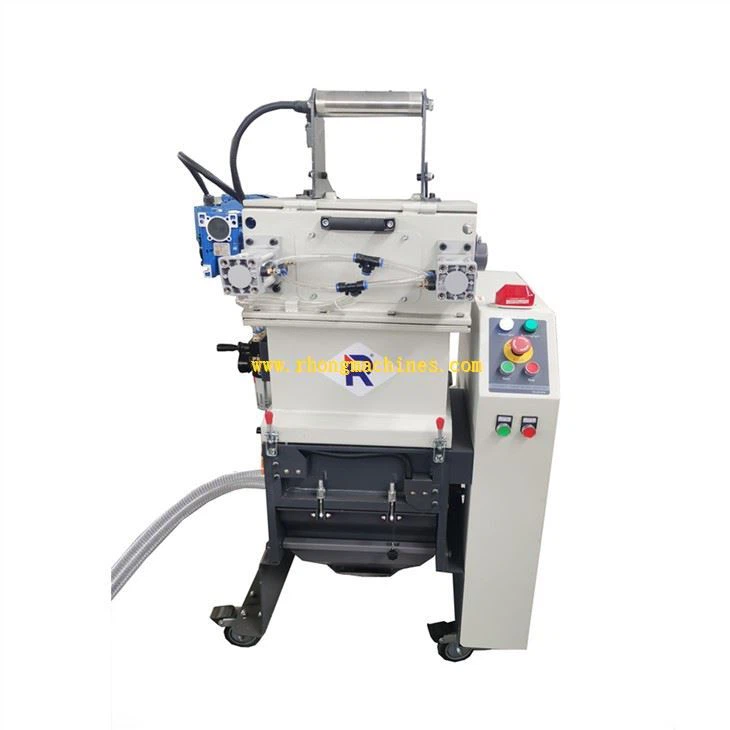
A garbage can heavy - duty granulator is a specially designed machine used to break down large pieces of waste materials, particularly those from garbage cans, into smaller granules. These granules can then be recycled or reused in various manufacturing processes. The granulation process involves cutting, grinding, and crushing the waste, which requires a significant amount of energy.
Our company offers a range of high - performance garbage can heavy - duty granulators, along with other related products such as RG - 3640X Longer Thinner Sheet film Crusher For Online Production, Bottle Granulator, PIPE / PROFILE GRANULATOR, Roll - feed Baby Granulators, and Film Crusher.


2. Factors Affecting Energy Consumption
Material Properties
The type and properties of the material being granulated play a significant role in determining energy consumption. Harder and more dense materials, such as certain types of plastics or metals, require more force to break down. For example, if you are granulating a thick - walled plastic garbage can made of high - density polyethylene (HDPE), the granulator will need to work harder compared to granulating a thinner - walled container made of low - density polyethylene (LDPE). The higher the melting point, abrasiveness, and toughness of the material, the more energy is needed to cut, crush, and grind it into granules.


Granulator Design and Capacity
The design of the granulator also impacts energy consumption. Granulators with more advanced cutting mechanisms, such as sharp blades and optimized rotor designs, can cut through materials more efficiently, reducing the energy required. Additionally, the capacity of the granulator is a factor. A larger - capacity granulator may be more energy - efficient when processing large volumes of waste because it can handle more material in a single pass. However, if the granulator is oversized for the job, it may consume more energy than necessary.
Operating Conditions
The operating conditions of the granulator, including the feed rate and the speed of the cutting blades, can affect energy consumption. A higher feed rate means more material is being processed at once, which can increase the load on the motor and thus the energy consumption. Similarly, increasing the blade speed requires more power. However, running the granulator at an optimal feed rate and blade speed can help balance productivity and energy efficiency.
3. Measuring Energy Consumption
Energy consumption of a garbage can heavy - duty granulator is typically measured in kilowatt - hours (kWh). To calculate the energy consumption, you need to know the power rating of the granulator's motor (in kilowatts) and the operating time (in hours). The formula is: Energy Consumption (kWh)=Power (kW)×Time (h)
For example, if a granulator has a motor with a power rating of 10 kW and it operates for 5 hours a day, the daily energy consumption would be 10 kW × 5 h = 50 kWh.
4. Energy - Saving Strategies
Regular Maintenance
Regular maintenance of the granulator is essential for energy efficiency. Keeping the blades sharp ensures that they can cut through materials with less resistance, reducing the load on the motor. Cleaning the machine of debris and performing lubrication on moving parts can also improve its overall performance and energy efficiency.
Optimal Feed Rate
As mentioned earlier, finding the optimal feed rate is crucial. Operators should adjust the feed rate based on the type of material and the capacity of the granulator. This can prevent overloading the machine, which can lead to increased energy consumption and potential damage to the equipment.
Use of Energy - Efficient Motors
Investing in energy - efficient motors can significantly reduce the energy consumption of the granulator. These motors are designed to convert electrical energy into mechanical energy more efficiently, resulting in less wasted energy.
5. Comparing Energy Consumption Among Different Models
When choosing a garbage can heavy - duty granulator, it's important to compare the energy consumption of different models. Some manufacturers may provide energy consumption data for their granulators under specific operating conditions. By comparing these figures, you can select a granulator that offers a good balance between performance and energy efficiency.
For instance, if you are considering our RG - 3640X Longer Thinner Sheet film Crusher For Online Production and another model from a competitor, you can look at the power ratings and estimated energy usage for similar processing scenarios. This will help you make a more cost - effective and environmentally friendly choice.
6. Environmental Impact of Granulator Energy Consumption
Reducing the energy consumption of garbage can heavy - duty granulators not only helps businesses save on operating costs but also has a positive impact on the environment. Lower energy consumption means less reliance on fossil fuels and a reduction in greenhouse gas emissions associated with electricity generation. By choosing energy - efficient granulators and implementing energy - saving strategies, businesses can contribute to a more sustainable future.
7. Conclusion and Call to Action
In conclusion, the energy consumption of a garbage can heavy - duty granulator is influenced by several factors, including material properties, granulator design, and operating conditions. By understanding these factors and implementing energy - saving strategies, businesses can optimize the energy efficiency of their granulation processes.
If you are in the market for a high - quality, energy - efficient garbage can heavy - duty granulator, or any of the related products we offer such as Bottle Granulator, PIPE / PROFILE GRANULATOR, Roll - feed Baby Granulators, and Film Crusher, we are here to help. Our team of experts can provide you with detailed information about the energy consumption of our products and assist you in selecting the right granulator for your needs. Contact us today to start a discussion about your granulation requirements and explore how we can help you achieve your production goals while minimizing energy costs.
References
- "Plastics Recycling Technology" by Andrew B. Strong
- "Industrial Machinery Energy Efficiency" published by the Department of Energy