



Ningbo Beilun Ronghong Machinery Manufacturing Co., Ltd. is located in Ningbo, China, specializing in the manufacture of auxiliary equipment for plastic molding machines. Our products include hopper dryers, vacuum automatic loaders, temperature controllers, industrial chillers and central feeding systems.
Strong Production Ability
We own five production lines, with the factory covering an area of up to 10,000 square meters. There are also one hundred experienced workers in our team. Due to our excellent production setup and dedicated staff, our annual sales exceed 2.5 million US dollars.
Wide Range of Application
Our equipment finds extensive use in a wide variety of industries, such as electronics, household appliances, compact discs, building materials, packaging, beverages, and the medical industry.
Rich Experience
We have a wealth of 35 years of production experience in this field. During these years, we have continuously explored and innovated, and have been able to provide the best equipment and industrial solutions for plastic manufacturing.
Quality Control
We attach great importance to quality control. In the entire production process, from the incoming materials and components to the finished products, every step undergoes strict quality inspections. We ensure that every product that reaches the customer's hands meets the required standards.
What Is Dehumidifier And Drying Machine
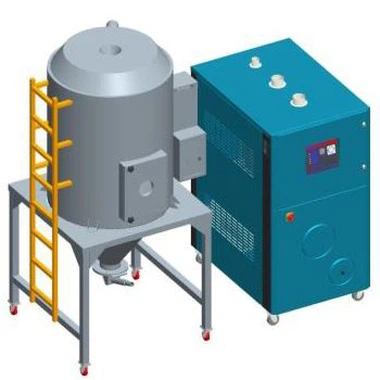
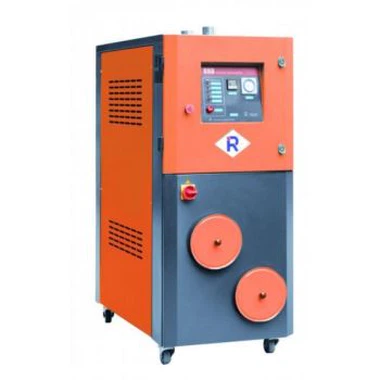
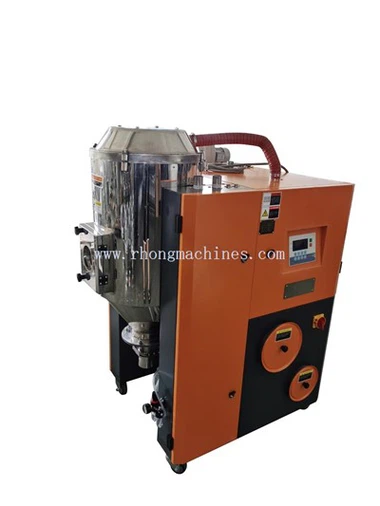
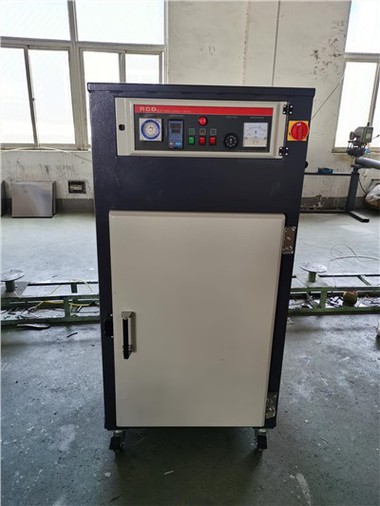
Dehumidifier And Drying Machine reduce the humidity level in the room air by drawing that air through the appliance and removing the moisture from it. The level of humidity reduction is regulated by a humidistator by a control board with a sensor attached, depending on the dehumidifier model.






Benefits Of Dehumidifier And Air Dryers
Cost-Effective
Dehumidifier reduces energy expenditures since it improves the effectiveness of your air conditioner. The A/C must perform the tasks of chilling the air and eliminating moisture when the air in your home is more humid, which requires more effort on its part. Additionally, because of this, your A/C may wear down earlier, requiring more frequent replacement and maintenance.
Minimize Mold And Mildew
Mold is hazardous. Anywhere that mold grows is incredibly harmful. It may have an adverse impact on your business in addition on you, your co-workers, your staff, and your customers. Moisture causes mold and mildew to grow. To avoid the humidity, a dehumidifier and air dryer was created with this in mind. It is a secure and straightforward approach to preventing mold growth.
Fresh Air
The dust and allergens in the air might grow in an area that is not dehumidified or dried and has an excessive humidity level. The room's residents may suffer gravely negative consequences to their health and well-being because of this (i.e., your co-workers). If someone has asthma or allergies, it may be difficult to breathe, making it difficult for them to work effectively. You can contribute to reducing humidity and improving comfort and productivity with a dehumidifier or an air dryer.
Makes You Feel At Ease
Temperatures may feel warmer than they are when moisture is prevalent in your environment. This is particularly true during the hottest seasons of the year. You won't need to turn up your air conditioner since the humidity in the air will be eliminated. You can increase the temperature on your thermostat and improve your house's energy efficiency.
Portable And Practical
It will be helpful to have a dehumidifier or an air dryer with mobility features, especially for prolonged use. Casters and carrying handles are now essentially standard in dehumidifiers, but if not, we strongly advise purchasing one with these features. In addition to making it more straightforward to use daily, it will also make it simpler for you to move around your house. Instead of buying many units for different regions of your home, you will be able to buy one and strategically use it throughout.
Types of Dehumidifier And Drying Machine
Two-Tower Dehumidifying Dryer
Two-tower dehumidifying dryer provides dehumidifying air that is below -40℃ dew point. It is essentially a dual desiccant system that constantly switches between absorptive and regenerative modes. This type of dehumidifying dryer often has the longest lifespan. But note that you have to replace the desiccant at a certain point to attain optimal dehumidifying efficiency.
Honeycomb Dehumidifying Dryer
Honeycomb dehumidifying dryer features a continuous closed-loop design. It comes with a rotor that continually rotates through three different air-flow loops to achieve dehumidification, regeneration, and cooling. This ensures moisture absorption at a constant rate. This dryer does not require a lot of maintenance and is suitable for drying hygroscopic polymers.
Vacuum Dehumidifying Dryer
Companies are looking to become more energy efficient as energy costs rise. When done properly, plastic resin dehumidifying not only saves you money on energy but also on material. Vacuum Dehumidifying Dryer is proudly designed to be an efficient and energy-saving dryer for handling hygroscopic materials. It leverages a vacuum to bring down the boiling point of water and pull the water vapors from the resin pellets. And by reducing water evaporation temperature to below room temperature, our model can achieve your needs for rapid drying.
Home
The dehumidifier helps to prevent moisture build-up and keeps your belongings safe from the harmful effects of humidity. They are designed to regulate the humidity levels in your home's atmosphere, providing smooth air circulation. Additionally, this will make your home more comfortable, preserve your living area from condensation buildup, and other benefits.
Office
Reduce the amount of moisture in your office or workplace with a dehumidifier. By reducing the amount of condensation that can form, you'll create a more comfortable environment while preventing mold and mildew from growing. This will lead to improved air quality for everyone in the space creating a healthy and productive work environment.
Pharmaceuticals
Pharmaceuticals in the form of powders and granules are very hygroscopic. While production of such capsules and tablets, moisture in the air and excess humidity result in aggregation, uneven distribution of ingredients, and bacterial contamination, leading to inefficiency and downtime. Dehumidifiers maintain an ideal humidity level and a dry environment which prevents degradation, ensures safe and hygienic storage conditions and reduces rejects.
Hospitals
One of the elements that help keep healthcare facilities safe and hygienic is humidity. Patients are known to feel uncomfortable in too humid environments, and costly medical devices and lenses suffer structural damage.
Food Industry
Food production, processing, packing, and storage facilities require regulated and constant excellent hygiene. A bad customer experience is brought on by excessive humidity, which promotes bacterial development, condensation on cold items, damages packaging, and spoils the product In every stage of food production and processing, hygiene is essential. It has become crucial to adhere to strict humidity and temperature controls throughout the whole food manufacturing, processing, and storage process, as well as in the packing rooms, to achieve these criteria.
Swimming Pool
Pool spaces, especially indoor swimming pools, are more likely to have moisture buildup. If this moisture is not removed, it will slowly corrode and eat away at your valuables next to the pool area, resulting in extensive water damage. Due to the high humidity levels in pool areas, condensation, black spots, and fungal development on the surface of walls and ceilings are all prevented by dehumidifiers. Portable dehumidifiers detect and absorb this extra moisture to maintain a dry and healthy environment around indoor pools.
Warehouse
In storage spaces, humidity can lead to various issues, including damage to many buildings, machinery, accessories, inventories, and even the materials kept there.
Laboratories
Research and development labs must adhere to strict temperature and humidity criteria because environmental factors impact measurement equipment features and performance. Excessive moisture shortens equipment life and damages expensive machinery structurally.
Maintenance Tips for Dehumidifier And Drying Machine


Check the Owner's Manual
Tips for maintenance will change depending on the brands and models. Always check your owner's manual for instructions on placement, dehumidifier filter cleaning, and draining.
Place Your Dehumidifier Properly
Ensure the following to obtain the best function of dehumidifier out of your dehumidifier: To guarantee appropriate air intake and exhaust, most models recommend a distance of 6 to 12 inches from walls and furniture.
Lock Windows and Doors: There should be no outside air entering the area to prevent high energy expenses and overworking is the best way to use a dehumidifier which will reduce the dehumidifier lifespan.
Temperature: Dehumidifiers perform best in rooms that are 55 degrees Fahrenheit or higher, so if you're using one in a harsh environment, you might think about using a specialized dehumidifier, like a commercial-grade desiccant dehumidifier made for those areas.
Regularly Clean The Condensate Bucket
The condensate bucket needs to be cleaned frequently with vinegar and water as well as a disinfectant to prevent the growth of mildew or mould. Even if it appears to be clean, give it a once-over with soapy water, and make sure it completely dries before using it again.
Do Not Overload The Compressor
Do not immediately turn your dehumidifier back on after turning it off. When shutting the dehumidifier off, give it at least 10 minutes before turning it back on. The passing of time will allow the system's pressure to balance, preventing damage to the compressor and circuit breaker trips.
Examine The Condenser Coils For Frost Or Ice Build-Up
The condenser (or cooling) coils may develop frost or ice buildup while using your dehumidifier in cold weather, which might hamper function. Some versions now have an automatic defrost feature that turns the unit off until the coils are defrosted before turning it back on.
Clean the Air Filter
The majority of dehumidifiers come with a changeable dehumidifier air filter that may be used to remove allergens and other harmful airborne particles from your home. The filter should be cleaned by rinsing with water or using a mild soapy solution in order to preserve healthy indoor air. If your current filter is ripped or damaged, a replacement is typically available.
Clean the Exhaust and Air Intake Grilles
Poor dehumidifier performance may be attributed to dirty grilles. Use a hoover attachment to clean the grilles that take in humid air and emit dehumidified dehumidifier clean air services once every season or more frequently depending on how well they are maintained.
Controlling the Humidistat
The amount of moisture drawn out of the air by the dehumidifier is controlled by a humidistat. Avoiding setting the humidistat's value too low will prevent the air from being overly dry air dehumidifier and will prevent the machine from having to work too hard to remove humidity from the indoor environment. In addition to harming a home's structural components and furniture, excessive moisture removal creates a dry, uncomfortable environment.
How to Choose Dehumidifier And Drying Machine
Water Removed Per Day
The better the water removal indicates better dehumidification capacity. A regular dehumidifier can remove 10-100 pints of water per day. Getting a dehumidifier that can remove 40-70 pints of water daily is better. The machine will be enough for most climates throughout the year.
Efficiency
You need to invest in a machine that is efficient and saves energy. After all, the dehumidifier may work for 24 hours regularly. Hence, you need to check out the energy the machine consumes per litre of water removed from the air. Most dehumidifiers come with a rating of efficiency in the unit L/KWh.
Wattage
Dehumidifiers with higher wattage can work better but consume a lot of energy. So, check out the wattage rating before you shop.
Climate
You need to choose the dehumidifier based on the climate and weather where you live. If you live in very hot and humid weather where the air always seems damp and musty, you will need a humidifier with a capacity of 40-780 pints per day. If the climate is mostly rainy and you get visible condensation in the windows, go for a dehumidifier that can remove 50-70 pints of water per day.
Room Size
The room size also works as a deciding factor while shopping for a dehumidifier. If you have a 500-1000 sq ft room, a machine with a capacity of 40-50 pints per day is enough. But, if you have a bigger sized room, say 1500-2000 sq ft, a dehumidifier of capacity 50-70 pints per day is ideal.
Troubleshooting Dehumidifier And Drying Machine
On dehumidifier models that use a water bucket to collect the condensation, a bucket switch will be actuated to shut off power to the dehumidifier when the bucket reaches capacity. If the switch fails in the “open” position, it will prevent the dehumidifier from running. To determine if the bucket switch is faulty, you can use a multimeter to test the switch for electrical continuity - a continuous electrical path present in the switch. If the switch tests negative for continuity in the “open” position (before the switch is actuated by a filled water bucket), you'll know the part is defective and will need to be replaced.
When the level of moisture in the air is too high, the contacts in the humidistat or humidity sensor close to allow the dehumidifier to run. If the contacts fail to close, the dehumidifier won't work. As with a bucket switch, you can use a multimeter to test the humidistat or sensor for electrical continuity, provided the area you're testing the component in has high humidity. TIP: Run a hot shower in the bathroom for a while to build up humidity then test the humidistat or sensor in the bathroom.
The dehumidifier control board reacts to the contacts closing in the humidistat or humidity sensor by allowing voltage to reach the fan motor to draw in the moist air. If the control board is malfunctioning, it may not allow the fan motor to turn on. While you cannot easily test the control board, you can inspect it for signs of burning or a shorted-out component.
The compressor is the component that keeps the refrigerant pumping through the dehumidifier's condenser and evaporator coils. Although it's not a common problem, a faulty compressor can fail to adequately draw the refrigerant through the coils which will result in the dehumidifier being unable to remove the moisture from the air. Before you consider having the compressor replaced, you should inspect all other dehumidifier components first. To help determine if the compressor has failed, you can use a multimeter to test for continuity between the electrical pins on the side of the compressor.
There's always a chance that the dehumidifier components are all in good condition, but the appliance simply isn't receiving enough current to work. You should set a multimeter to “Volts AC” and test the electrical outlet the dehumidifier's power cord is plugged into to determine if it's providing close to 120 volts. Of course, if the outlet is not providing any voltage at all, check to see if a home circuit breaker has tripped or a fuse has blown.
Our Factory


Frequently Asked Questions
Q: What is the difference between drying and dehumidification?
Q: What does drying do on a dehumidifier?
Q: What is the difference between a dehumidifier and an air dryer?
Q: Is a dehumidifier better than a dryer?
Q: Do dehumidifiers use a lot of electricity?
Q: What materials are in a dehumidifier?
Q: What is the best material for a dehumidifier?
Q: What are the parts of a dehumidifier?
Q: How long will it take to get the moisture under control?
Q: How do I know how big a dehumidifier I need?
Q: What is the difference between a humidifier and a dehumidifier?
Q: How long does it take for a dehumidifier to work?
Q: What is a dehumidifier used for?
Q: Will a dehumidifier always collect water?
Q: How to know if the dehumidifier's compressor needs repair or replacement?
Abnormal issues: If you hear grinding, rattling, or clanking sounds coming from the dehumidifier, it could be a sign of compressor problems. Unusual noises may indicate worn-out or damaged internal components.
Inefficient humidity removal: If the dehumidification system is running but fails to extract moisture from the air effectively, the compressor could be at fault. Insufficient dehumidification or a constant high humidity level may indicate compressor issues.
Overheating: If the dehumidifier feels excessively hot to the touch, it may indicate compressor problems. Overheating can result from a faulty compressor that is working harder than usual to maintain desired humidity levels.
Q: Can dehumidification units be used in cold rooms or the basement?
Ningbo Beilun Rhong Machinery Manufacturing Co.,Ltd. is one of the most professional dehumidifier and drying machine manufacturers and suppliers in China, specialized in providing the best customized service. We warmly welcome you to wholesale high quality dehumidifier and drying machine made in China here from our factory. For price consultation, contact us.