

How does the size of a dehumidifier machinery affect its performance?
May 12, 2025
Leave a message
The size of a dehumidifier machinery is a crucial factor that significantly impacts its performance. As a seasoned supplier of dehumidifier machinery, I've witnessed firsthand how the dimensions of these devices can make or break their effectiveness in various applications. In this blog, we'll explore the intricate relationship between the size of a dehumidifier and its performance, shedding light on how to make the right choice for your specific needs.
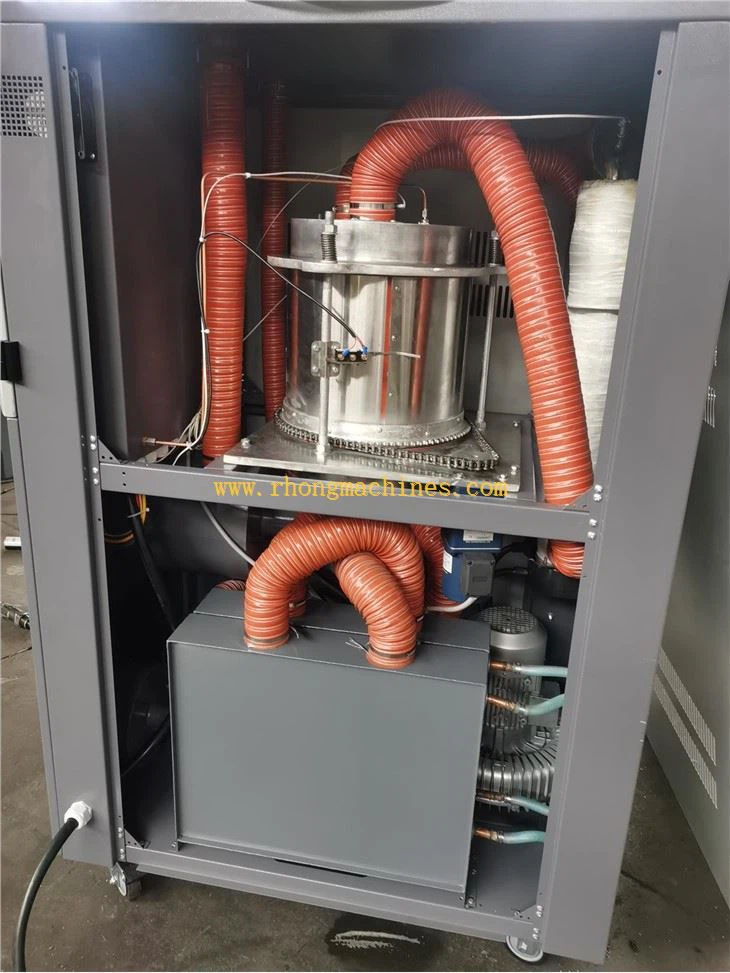
Capacity and Coverage Area
One of the most direct ways the size of a dehumidifier affects its performance is through its capacity and coverage area. Larger dehumidifiers typically have a higher moisture removal capacity, measured in pints per day. This means they can extract more water from the air within a given period, making them suitable for larger spaces or areas with high humidity levels.
For instance, a small dehumidifier with a capacity of 10 - 20 pints per day might be sufficient for a small bathroom or closet. These compact units are designed to handle limited areas where the moisture levels are relatively low. On the other hand, a large dehumidifier with a capacity of 50 - 70 pints per day or more is better suited for basements, large living rooms, or commercial spaces. They can quickly reduce humidity in large volumes of air, preventing issues like mold growth, musty odors, and damage to furniture and electronics.
When considering the coverage area, it's essential to match the dehumidifier size to the space you want to dehumidify. A dehumidifier that is too small for a large area will struggle to maintain the desired humidity level, while an oversized unit may cycle on and off frequently, leading to inefficient operation and increased energy consumption.
Airflow and Circulation
The size of a dehumidifier also influences its airflow and circulation capabilities. Larger dehumidifiers usually come with more powerful fans and larger air intake and outlet vents. This allows them to move a greater volume of air through the unit, facilitating more efficient moisture removal.
Good airflow is essential for evenly distributing dry air throughout the space. In a large room, a dehumidifier with strong airflow can reach all corners, ensuring consistent humidity levels. Smaller dehumidifiers, with their limited airflow, may only be effective in a concentrated area around the unit. This can result in uneven humidity distribution, with some parts of the room remaining damp while others are dry.
Moreover, proper air circulation helps prevent the formation of stagnant air pockets, which can harbor mold and mildew. A well - sized dehumidifier with adequate airflow can create a healthier and more comfortable environment by keeping the air fresh and dry.
Energy Efficiency
Energy efficiency is another critical aspect affected by the size of a dehumidifier. Generally, larger dehumidifiers consume more energy than smaller ones. However, this doesn't necessarily mean they are less efficient.
A large dehumidifier that is appropriately sized for a large space can be more energy - efficient in the long run. Since it can quickly reach and maintain the desired humidity level, it doesn't have to run continuously. In contrast, a small dehumidifier in a large space may need to operate non - stop to achieve the same result, consuming more energy over time.
When choosing a dehumidifier, look for energy - star rated models. These units are designed to meet strict energy efficiency guidelines, regardless of their size. Additionally, consider features like adjustable humidity settings and automatic shut - off, which can help optimize energy consumption.
Noise Level
The size of a dehumidifier can also have an impact on its noise level. Larger dehumidifiers often have more powerful motors and fans, which can generate more noise during operation. This can be a concern, especially if the dehumidifier is placed in a living area or a bedroom.
However, many manufacturers are now designing larger dehumidifiers with noise - reducing features. These include insulated cabinets, advanced fan designs, and quiet operation modes. When selecting a large dehumidifier, look for models that are specifically advertised as quiet or have good noise - reduction ratings.
Smaller dehumidifiers, on the other hand, tend to be quieter due to their less powerful components. They are a great option for noise - sensitive areas where a low - noise environment is essential.
Portability and Installation
Portability and installation requirements are influenced by the size of the dehumidifier. Smaller dehumidifiers are lightweight and easy to move around, making them ideal for use in multiple rooms or for temporary dehumidification needs. They can be easily carried from one location to another and set up without much hassle.

Larger dehumidifiers, however, are often heavier and more challenging to move. They may require a dedicated space for installation and may need to be connected to a permanent water drainage system. This can limit their portability but is often a necessary trade - off for their higher performance in larger spaces.
Specific Applications
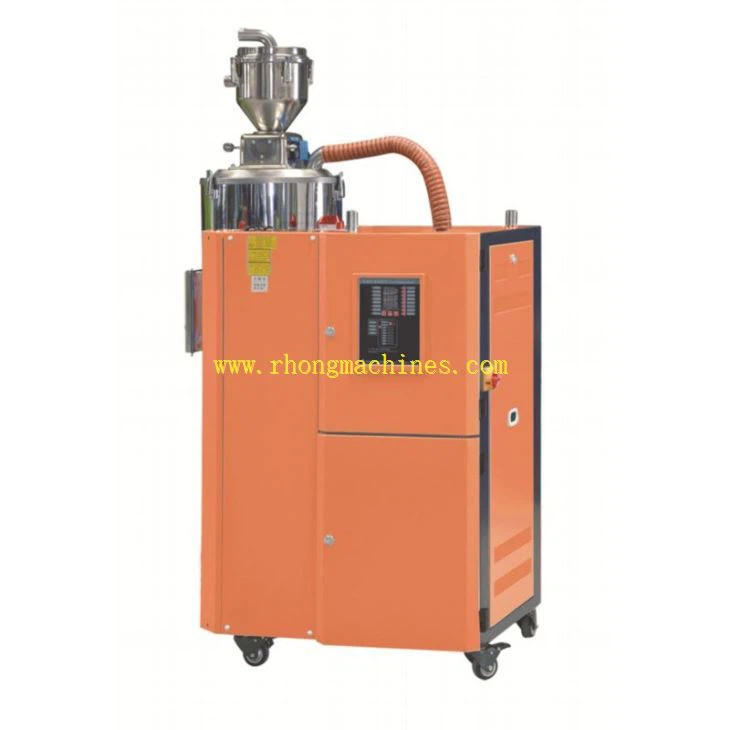
Different applications may require dehumidifiers of different sizes. For example, in the plastics processing industry, Drying Equipment For Plastics Processing is crucial for ensuring the quality of plastic products. Larger dehumidifiers are often used in industrial settings to maintain the low humidity levels required for proper plastic drying. These units can handle the large volumes of air in industrial facilities and provide consistent dehumidification.
In the case of home use, All-in-One Dehumidifying and Dryers come in various sizes to suit different room sizes and humidity needs. A small all - in - one unit can be perfect for a single - room application, while a larger one can serve an entire floor of a house.
The Rhong Machines Honeycomb All-in-One Dryer is an example of a high - performance dehumidifier that offers a balance between size and functionality. It can be used in both industrial and commercial settings, providing efficient dehumidification and drying capabilities.
Choosing the Right Size
To choose the right size dehumidifier for your needs, you need to consider several factors. First, measure the square footage of the area you want to dehumidify. Use a humidity meter to determine the current humidity level and the desired humidity level. This will help you estimate the moisture removal capacity required.
Next, consider the specific conditions of the space. If the area is prone to high humidity due to factors like poor ventilation or proximity to water sources, you may need a larger dehumidifier. On the other hand, if the humidity levels are relatively low, a smaller unit may be sufficient.
It's also a good idea to consult with a professional or the manufacturer's guidelines. They can provide more accurate recommendations based on your specific situation.
Conclusion
In conclusion, the size of a dehumidifier machinery plays a vital role in its performance. From capacity and coverage area to airflow, energy efficiency, noise level, and portability, every aspect is affected by the dimensions of the unit. As a dehumidifier machinery supplier, I understand the importance of choosing the right size for optimal performance.
Whether you're looking for a dehumidifier for your home, office, or industrial facility, it's crucial to consider all the factors mentioned above. By making an informed decision, you can ensure that your dehumidifier operates efficiently, effectively reduces humidity, and creates a healthier and more comfortable environment.
If you're interested in exploring our range of dehumidifier machinery, we'd love to hear from you. Our team of experts can help you select the right size and model for your specific needs. Contact us today to start a discussion about your dehumidification requirements and take the first step towards a drier, more comfortable space.
References
- "Dehumidifier Buying Guide." Consumer Reports.
- "How to Choose the Right Dehumidifier." Energy Star.
- Manufacturer's specifications and product literature for various dehumidifier models.