

What is the role of the thermostat in a Dual - temp Mold Oil Heater?
May 12, 2025
Leave a message
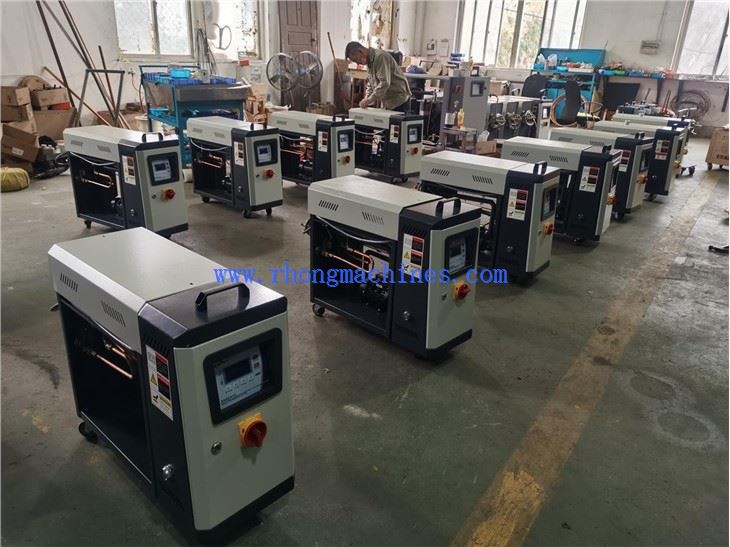
In the realm of industrial manufacturing, especially in processes involving molds, the Dual - temp Mold Oil Heater plays a crucial role. At the heart of this equipment lies a small yet powerful device: the thermostat. As a supplier of Dual - temp Mold Oil Heaters, I've witnessed firsthand how the thermostat impacts the performance and efficiency of these heaters. In this blog, we'll explore the multifaceted role of the thermostat in a Dual - temp Mold Oil Heater.
Precise Temperature Regulation
The primary function of a thermostat in a Dual - temp Mold Oil Heater is to maintain a precise temperature. In mold manufacturing, the temperature of the mold oil is a critical factor that can significantly affect the quality of the final product. Different molding processes require specific temperature ranges, and even a slight deviation can lead to defects such as warping, shrinkage, or uneven surface finish.
The thermostat continuously monitors the temperature of the mold oil. It compares the actual temperature with the set temperature and adjusts the heating elements accordingly. For example, if the set temperature is 150°C and the thermostat senses that the oil temperature has dropped to 145°C, it will send a signal to the heating elements to increase the heat output until the temperature reaches the desired level. Conversely, if the temperature exceeds the set point, the thermostat will reduce or stop the heating to prevent overheating.
This precise temperature control is essential for ensuring consistent product quality. In industries such as automotive manufacturing, where molds are used to produce high - precision components, the ability to maintain a stable temperature is non - negotiable. Any variation in temperature can compromise the structural integrity and dimensional accuracy of the parts, leading to costly rework or even product recalls.
Energy Efficiency
Another significant role of the thermostat in a Dual - temp Mold Oil Heater is to enhance energy efficiency. By accurately controlling the heating process, the thermostat prevents unnecessary energy consumption. When the oil temperature reaches the set point, the thermostat reduces the power supply to the heating elements, allowing them to operate at a lower power level or even turn off completely.
This not only saves energy but also extends the lifespan of the heating elements. Continuous operation at high power can cause wear and tear on the elements, leading to premature failure. With the thermostat's intelligent control, the heating elements are only active when needed, reducing the overall energy consumption and maintenance costs.
For instance, in a large - scale manufacturing facility that uses multiple Dual - temp Mold Oil Heaters, the energy savings can be substantial. Over time, these savings can translate into significant cost reductions for the company, making the investment in a thermostat - equipped heater a wise financial decision.
Safety Assurance
Safety is a top priority in any industrial setting, and the thermostat in a Dual - temp Mold Oil Heater plays a vital role in ensuring the safety of the equipment and the operators. One of the key safety features provided by the thermostat is over - temperature protection.
In the event of a malfunction in the heating system, such as a faulty sensor or a stuck heating element, the thermostat can detect when the temperature exceeds a safe limit. Once this occurs, it immediately shuts off the power to the heating elements, preventing the oil from reaching dangerously high temperatures. This helps to avoid potential hazards such as oil fires or explosions, which can have catastrophic consequences for the manufacturing facility.
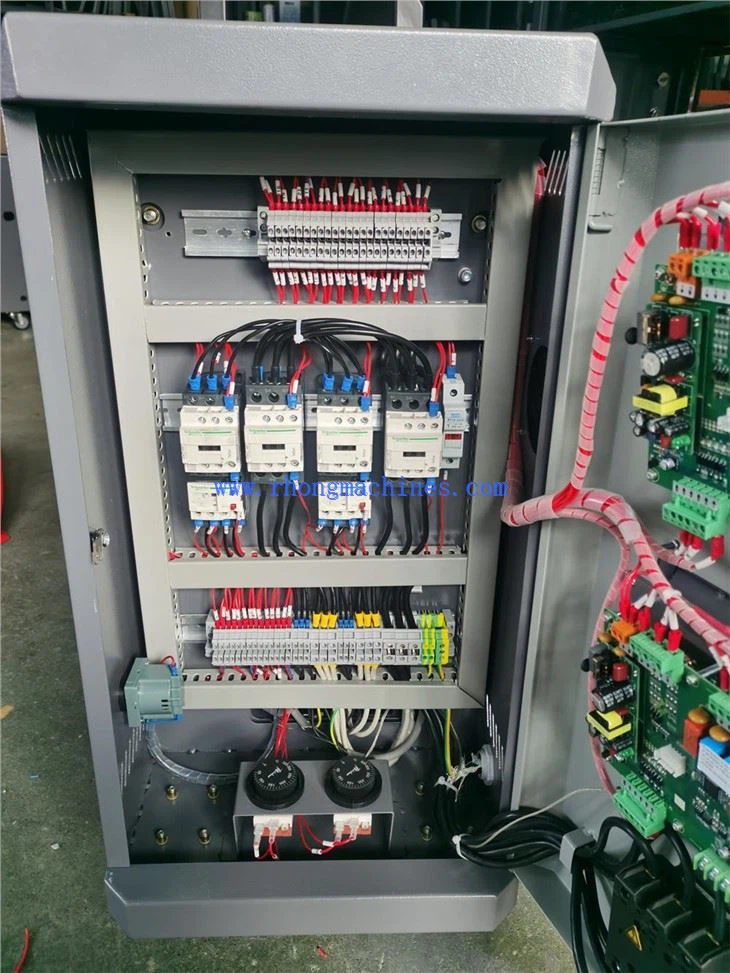
Additionally, the thermostat can also provide early warnings of potential problems. If the temperature fluctuates more than normal or fails to reach the set point, it may indicate an issue with the heater, such as a clogged filter or a malfunctioning pump. By alerting the operators to these problems, the thermostat allows for timely maintenance and repairs, reducing the risk of equipment breakdowns and ensuring the smooth operation of the manufacturing process.
Compatibility with Dual - temp Functionality
As the name suggests, a Dual - temp Mold Oil Heater is designed to operate at two different temperature levels. The thermostat is responsible for managing this dual - temperature functionality. It allows the operator to switch between the two temperature settings easily and ensures that the heater can reach and maintain each temperature accurately.
This dual - temp capability is particularly useful in processes where different stages of the molding require different temperatures. For example, in some injection molding processes, the mold may need to be heated to a higher temperature during the injection phase to ensure proper flow of the molten material, and then cooled to a lower temperature during the solidification phase to speed up the production cycle.
The thermostat in a Dual - temp Mold Oil Heater can be programmed to follow a specific temperature profile, adjusting the heating and cooling processes automatically according to the requirements of the molding process. This flexibility makes the Dual - temp Mold Oil Heater a versatile tool for a wide range of manufacturing applications.
Integration with Other Systems
In modern manufacturing environments, equipment is often integrated into larger control systems for better management and optimization. The thermostat in a Dual - temp Mold Oil Heater can be easily integrated with other systems, such as programmable logic controllers (PLCs) or supervisory control and data acquisition (SCADA) systems.
This integration allows for remote monitoring and control of the heater. Operators can access the thermostat's settings and temperature data from a central control room, making it easier to manage multiple heaters simultaneously. They can also receive real - time alerts if there are any issues with the temperature control, enabling them to take immediate action.
Furthermore, integration with other systems can facilitate data collection and analysis. The temperature data recorded by the thermostat can be used to identify trends, optimize the molding process, and improve the overall efficiency of the manufacturing operation.
Conclusion
In conclusion, the thermostat is an indispensable component of a Dual - temp Mold Oil Heater. It plays a crucial role in precise temperature regulation, energy efficiency, safety assurance, dual - temp functionality, and integration with other systems. As a supplier of Dual - temp Mold Oil Heaters, we understand the importance of a high - quality thermostat in ensuring the performance and reliability of our products.
If you're in the market for a Dual - temp Mold Oil Heater or other related equipment such as Mold Temperature Controller(Water Type), Dual Temp Mold Water Heater, or Two Stage Water Type Mold Temperature Controller, we're here to provide you with the best solutions. Our heaters are equipped with advanced thermostats that offer accurate temperature control, energy efficiency, and safety features. Contact us today to discuss your specific requirements and start a procurement negotiation.
References
- "Industrial Heating Systems: Principles and Applications" by John Smith.
- "Mold Temperature Control in Injection Molding" by Jane Doe.
- Technical manuals of Dual - temp Mold Oil Heaters.