

What is the temperature stability of a mold temperature controller for plastic line?
Jun 22, 2026
Leave a message
Hey there! As a supplier of mold temperature controllers for plastic lines, I often get asked about temperature stability. So, let's dive right into what temperature stability means for these controllers and why it's so crucial in the plastic processing industry.
Understanding Temperature Stability
First off, what do we mean by temperature stability in a mold temperature controller for plastic lines? Well, it's all about the ability of the controller to maintain a consistent temperature within the mold during the plastic molding process. In simple terms, it ensures that the temperature doesn't fluctuate too much, which is super important for getting high - quality plastic products.
You see, when we're molding plastic, the temperature of the mold has a huge impact on the final product. If the temperature is too high, the plastic might melt too much, leading to issues like warping or poor surface finish. On the other hand, if the temperature is too low, the plastic may not flow properly, resulting in incomplete filling of the mold.
Why Temperature Stability Matters
The stability of the mold temperature directly affects the quality and consistency of the plastic products. For example, in injection molding, a stable temperature helps in achieving uniform shrinkage of the plastic. This means that the final products will have consistent dimensions, which is crucial for parts that need to fit together precisely, like in automotive or electronic components.
Moreover, a stable temperature also improves the cycle time of the molding process. When the temperature is consistent, the plastic solidifies at a predictable rate, allowing for faster and more efficient production. This can significantly increase the overall productivity of a plastic manufacturing facility.
Factors Affecting Temperature Stability
There are several factors that can affect the temperature stability of a mold temperature controller. One of the main factors is the type of heating and cooling system used in the controller.
For instance, Water Type Mold Temperature Controller are quite popular because water has a high specific heat capacity. This means it can absorb and release a large amount of heat without a significant change in temperature. As a result, water - based systems can provide relatively stable temperature control.
On the other hand, Oil Type Mold Temerature Controller Rhong Equipment are used when higher temperatures are required. Oil can withstand higher temperatures than water, but it also has different heat transfer characteristics. The viscosity of the oil can change with temperature, which may affect the flow rate and heat transfer efficiency, potentially impacting temperature stability.
Another factor is the insulation of the mold. A well - insulated mold will retain heat better, reducing the heat loss to the surrounding environment. This helps in maintaining a more stable temperature inside the mold. Additionally, the design of the mold itself, including the layout of the cooling and heating channels, can also influence temperature stability.
Measuring Temperature Stability
To ensure that a mold temperature controller is providing stable temperatures, we need to measure the temperature accurately. Most modern controllers come with built - in temperature sensors that continuously monitor the temperature of the mold. These sensors send real - time data to the control unit, which can then adjust the heating or cooling system as needed to maintain the desired temperature.
The accuracy of the temperature measurement is crucial. A small error in temperature measurement can lead to significant fluctuations in the actual mold temperature. That's why high - quality sensors are used in our Mold Temperature Controller(Water Type) to ensure precise temperature control.
Achieving Optimal Temperature Stability
So, how can we achieve optimal temperature stability in a mold temperature controller? Well, it starts with choosing the right controller for the specific plastic molding application. Different plastics have different melting points and processing requirements, so we need to select a controller that can provide the appropriate temperature range and stability.
Regular maintenance of the controller is also essential. This includes checking the heating and cooling elements, the pumps, and the sensors. Any malfunctioning components can lead to temperature fluctuations, so it's important to keep everything in good working condition.
Proper calibration of the controller is another key aspect. Over time, the sensors and control systems may drift, leading to inaccurate temperature readings. By calibrating the controller regularly, we can ensure that it is providing accurate temperature control.
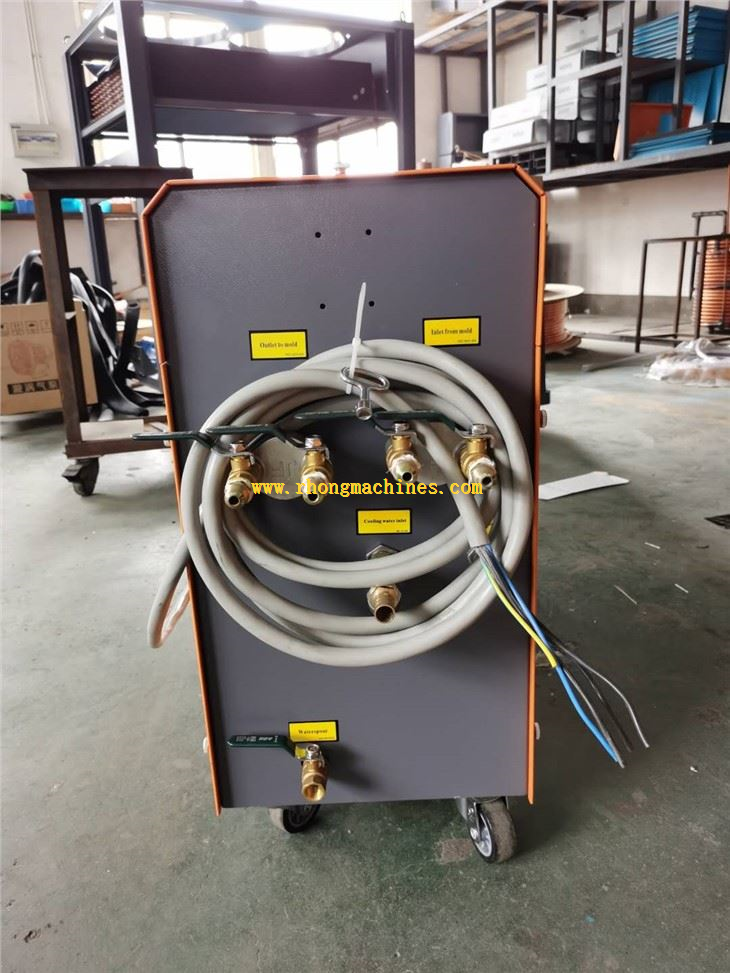

The Role of Our Company
As a supplier of mold temperature controllers for plastic lines, we understand the importance of temperature stability. Our products are designed to provide precise and stable temperature control for a wide range of plastic molding applications.
We offer both water - type and oil - type mold temperature controllers, each with its own set of features and benefits. Our Water Type Mold Temperature Controller are known for their energy efficiency and reliable performance, while our Oil Type Mold Temerature Controller Rhong Equipment are ideal for high - temperature applications.
We also provide excellent customer support. Our team of experts is always ready to help you choose the right controller for your specific needs and to provide technical assistance if you encounter any issues.
Conclusion
In conclusion, temperature stability is a critical factor in the plastic molding process. A stable mold temperature ensures high - quality products, efficient production, and consistent results. As a supplier, we are committed to providing the best mold temperature controllers that offer excellent temperature stability.
If you're in the market for a mold temperature controller for your plastic line, we'd love to have a chat with you. We can help you find the perfect solution for your specific requirements. Don't hesitate to reach out and start a conversation about your procurement needs.
References
- Plastic Molding Handbook
- Industrial Temperature Control Systems: Principles and Applications