

What is the design principle of plastic shredders?
May 16, 2025
Leave a message
Hey there! As a supplier of plastic shredders, I've had my fair share of chats with folks curious about how these machines work. So, I thought I'd spill the beans and break down the design principles of plastic shredders.
The Basics of Plastic Shredders
First off, let's talk about what a plastic shredder actually does. Simply put, it's a machine that takes large pieces of plastic and turns them into smaller bits. This is super important for recycling, as it makes the plastic easier to process further. Whether it's old plastic bottles, packaging, or industrial plastic waste, a good shredder can handle it all.
Cutting Mechanisms
One of the most crucial parts of a plastic shredder is its cutting mechanism. There are a few different types, and each has its own advantages.
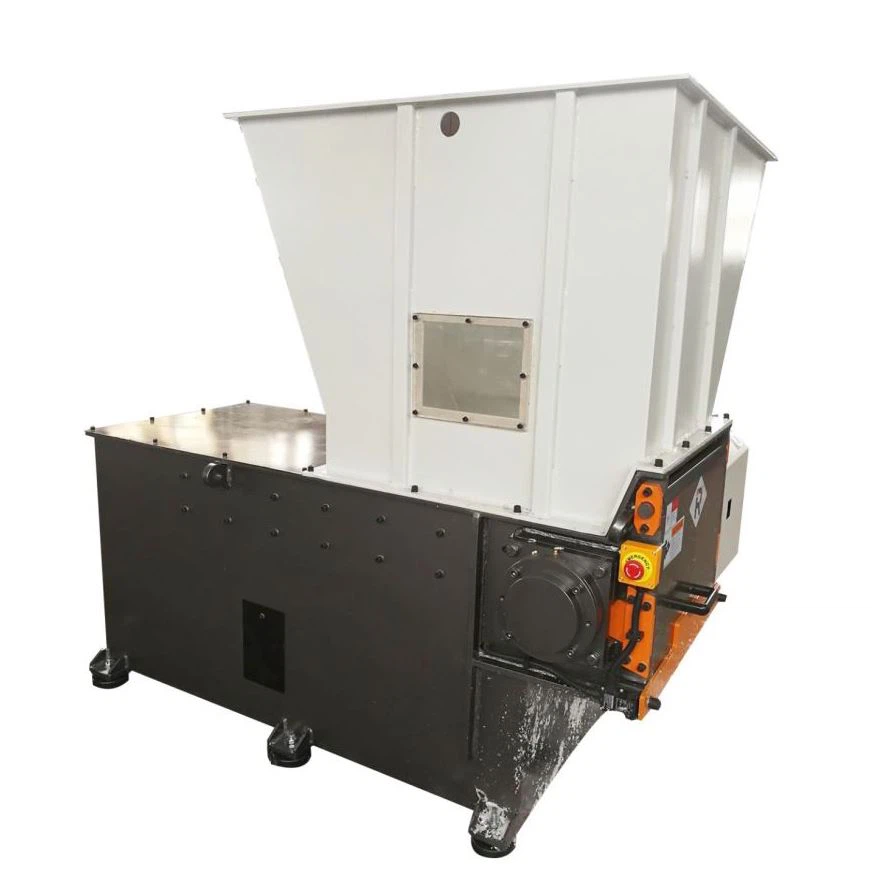
Single Shaft Shredders
Single shaft shredders are pretty common. They've got one rotating shaft with blades attached. These blades slice through the plastic as it's fed into the machine. The design is simple but effective. The single shaft shredder is great for medium throughput, which means it can handle a decent amount of plastic at a reasonable pace. If you're looking for a machine like this, check out our Single Shaft Shredder For Middle Throughput. It's built to last and can handle a variety of plastic materials.

Two Shaft Shredders
Two shaft shredders, on the other hand, have two rotating shafts with interlocking blades. This setup provides more force and can shred tougher plastics. The two shafts work together to grip and tear the plastic apart. It's like having two powerful hands pulling at the plastic. These shredders are often used for larger pieces of plastic or when you need a more aggressive shredding action.
Size Reduction and Output
The whole point of a plastic shredder is to reduce the size of the plastic. But how do you control the size of the output? Well, it all comes down to the design of the cutting chamber and the screen.
The cutting chamber is where the magic happens. It's designed to hold the plastic in place while the blades do their thing. The shape and size of the chamber can affect how well the shredding process works. A well-designed chamber will ensure that the plastic is evenly shredded and doesn't get stuck.
The screen is another important component. It's located at the bottom of the cutting chamber and determines the size of the shredded plastic that comes out. The screen has holes of a specific size, and only the plastic pieces that are small enough to pass through these holes will be ejected from the machine. This allows you to control the final size of the shredded plastic, which is important for different recycling processes.
Safety Features
Safety is a big deal when it comes to any industrial machine, and plastic shredders are no exception. There are several safety features that are built into the design of these machines.
Emergency Stop Buttons
Most plastic shredders have emergency stop buttons that can be pressed in case of an emergency. These buttons immediately stop the machine, preventing any further damage or injury. They're usually located in easy-to-reach places on the machine.
Safety Guards
Safety guards are another important safety feature. They cover the moving parts of the machine, such as the blades and shafts, to prevent people from getting hurt. These guards are made of strong materials and are designed to stay in place during normal operation.
Overload Protection
Overload protection is a feature that helps prevent the machine from getting damaged if it's overloaded with plastic. If the machine senses that it's working too hard, it will automatically shut off to avoid any damage to the motor or other components.
Efficiency and Energy Consumption
In today's world, efficiency and energy consumption are important considerations for any machine. Plastic shredders are designed to be as efficient as possible while using as little energy as they can.
Motor Selection
The motor is the heart of the plastic shredder, and choosing the right one is crucial. A powerful motor can handle tough plastics and high throughput, but it also consumes more energy. On the other hand, a smaller motor may use less energy but may not be able to handle large or tough pieces of plastic. The design of the shredder takes into account the balance between power and energy consumption to ensure that the machine is as efficient as possible.
Design Optimization
The overall design of the shredder also plays a role in its efficiency. For example, the shape of the blades and the way they're arranged can affect how well the plastic is shredded. A well-designed shredder will have blades that are sharp and properly aligned, which reduces the amount of energy needed to cut through the plastic.
2-in-1 and All-In-One Machines
If you're looking for a more versatile option, we've got some great machines to offer. Our Plastic Shredder And Granulator 2 in 1 Machine combines the functions of a shredder and a granulator in one unit. This means you can shred the plastic and then granulate it into even smaller pieces, all in one go. It's a great time-saver and can increase your productivity.
Our All-In-One Shredder Granulator Machine is another fantastic option. It's designed to handle all aspects of plastic recycling, from shredding to granulating. It's a compact and efficient machine that can be a great addition to any recycling operation.
Conclusion
So, there you have it - the design principles of plastic shredders. From the cutting mechanisms to the safety features, every aspect of these machines is carefully designed to ensure that they work efficiently and effectively. Whether you're a small recycling business or a large industrial operation, there's a plastic shredder out there that's right for you.
If you're interested in learning more about our plastic shredders or are thinking about making a purchase, don't hesitate to get in touch. We're here to answer any questions you might have and help you find the perfect machine for your needs. Let's work together to make the world a more sustainable place by recycling plastic effectively.
References
- Plastic Recycling Handbook: A Guide to the Recycling of Plastic Materials, by John Scheirs and Walter Kaminsky
- Industrial Shredding: Principles and Applications, by various authors