

What are the storage requirements for a large size granulator when not in use?
May 16, 2025
Leave a message
When dealing with industrial equipment like large size granulators, proper storage during periods of non - use is crucial. As a leading supplier of large size granulators, I understand the importance of this aspect, which can significantly affect the equipment's lifespan and performance. In this blog, I'll explore the key storage requirements for large size granulators when they're not in use.
1. Cleaning and Maintenance Before Storage
Before storing a large size granulator, a thorough cleaning is essential. Granulators are often used to process various materials, such as plastics, rubber, and biomass. Residues from these materials can accumulate inside the machine, leading to corrosion, blockages, and mechanical wear over time.
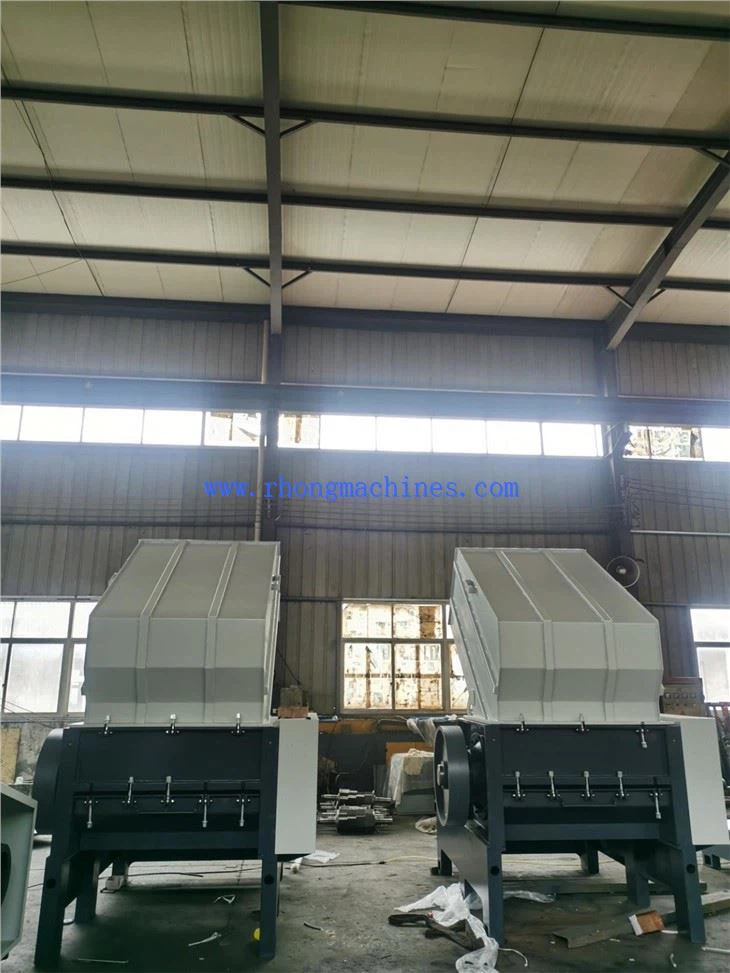
Start by removing all the remaining materials from the hopper, cutting chamber, and discharge chute. Use appropriate cleaning tools, like brushes and compressed air, to dislodge any stubborn debris. For granulators that have been processing sticky materials, a solvent may be required to dissolve the residues. However, make sure to use solvents that are compatible with the granulator's components to avoid damage.
After cleaning, conduct a comprehensive maintenance check. Inspect the blades, bearings, belts, and other critical parts for signs of wear or damage. Replace any worn - out components to prevent further deterioration during storage. Lubricate all moving parts according to the manufacturer's recommendations. This helps to prevent rust and ensures smooth operation when the granulator is put back into use.
2. Environmental Conditions
The storage environment plays a vital role in preserving the condition of a large size granulator. The ideal storage location should be dry, clean, and well - ventilated. High humidity can cause rust and corrosion on the metal parts of the granulator, while dust and dirt can infiltrate the machine and damage its internal components.
If possible, store the granulator indoors in a climate - controlled facility. This protects it from extreme temperatures, moisture, and environmental contaminants. The temperature should be maintained within a stable range, typically between 10°C and 30°C (50°F and 86°F). Drastic temperature changes can cause thermal expansion and contraction, which may lead to mechanical stress and damage to the granulator.
Avoid storing the granulator in areas prone to flooding or where it may be exposed to direct sunlight for extended periods. Sunlight can cause the plastic parts of the granulator to degrade over time, while flooding can cause severe water damage to the electrical and mechanical components.
3. Protection of Critical Components
Some components of a large size granulator are more vulnerable to damage during storage than others. The cutting blades, for example, are precision - engineered parts that require special protection. After cleaning and sharpening the blades, wrap them in a protective material, such as anti - rust paper or plastic sheeting, to prevent them from being scratched or damaged.
The electrical components of the granulator, including motors, control panels, and wiring, also need to be protected. Cover them with a dust - proof and moisture - proof cover to prevent the ingress of dust and moisture. If the granulator has a long - term storage period, consider disconnecting the power supply to avoid any potential electrical issues.
The bearings in the granulator are another critical component. Ensure that they are properly lubricated and protected from contaminants. You can use bearing covers or shields to prevent dust and dirt from entering the bearings.
4. Securing and Positioning
When storing a large size granulator, it's important to secure it properly to prevent any movement or damage. Use appropriate restraints, such as straps or chains, to hold the granulator in place. This is especially important if the storage area is prone to vibrations or if there is a risk of the granulator being bumped or knocked over.
The granulator should be positioned on a stable and level surface. Uneven surfaces can cause stress on the machine's frame and components, leading to misalignment and potential damage. If necessary, use shims or leveling pads to ensure that the granulator is perfectly level.
5. Documentation and Monitoring
Keep detailed documentation of the granulator's condition before storage. This includes records of the cleaning, maintenance, and any component replacements. This documentation can be invaluable when the granulator is taken out of storage and needs to be put back into operation.
Regularly monitor the granulator during storage. Check for any signs of damage, corrosion, or other issues. If possible, conduct periodic inspections, at least once every few months, to ensure that the granulator is still in good condition. If any problems are detected, address them immediately to prevent further damage.
Product - Specific Considerations
As a supplier, we offer a range of large size granulators, each with its own unique features and storage requirements. For example, our Heavy Duty Granulator is designed for high - volume processing. It has a robust construction, but its large size and complex components require careful storage. The cutting chamber of this granulator may need additional protection to prevent dust and debris from accumulating inside.
Our EVA Sheet Plastic Granulator is specifically designed for processing EVA sheets. Since EVA can be sticky, extra cleaning is required before storage to remove any residual EVA from the machine. The heating elements in this granulator also need to be protected to prevent damage from moisture.
The Heavy Crusher For Big Output is a powerful machine used for large - scale crushing operations. Its heavy - duty components, such as the large - diameter rotor and powerful motor, need to be properly supported and secured during storage to prevent any deformation or damage.
Conclusion
Proper storage of large size granulators when not in use is essential for maintaining their performance and extending their lifespan. By following the storage requirements outlined above, including cleaning and maintenance, controlling the storage environment, protecting critical components, securing and positioning the granulator, and keeping proper documentation and monitoring, you can ensure that your granulator remains in optimal condition until it's needed again.
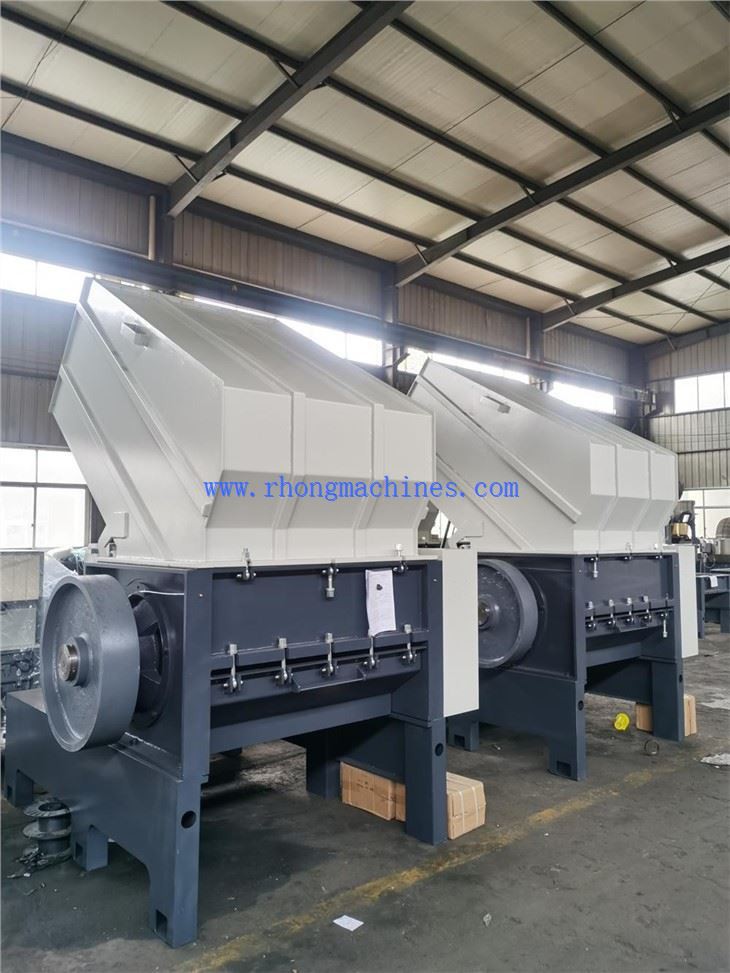
If you're in the market for a high - quality large size granulator or need more information on their storage and maintenance, we're here to help. Our team of experts can provide you with detailed guidance and support. Contact us to discuss your specific requirements and start a procurement negotiation today.

References
- Industrial Equipment Storage Guidelines Handbook
- Manufacturer's Manuals for Large Size Granulators