

What is the shutdown process for an industrial chiller?
May 19, 2025
Leave a message
Hey there! As a supplier of industrial chillers, I've seen firsthand how important it is to know the proper shutdown process for these machines. Whether you're dealing with a Water Cooled Chiller System, a Water Cooled Central Industrial Chiller, or an Air Cooled Central Industrial Chiller, getting the shutdown right can save you a lot of headaches down the road.

Why Proper Shutdown Matters
Before we dive into the actual steps, let's talk about why a proper shutdown is so crucial. Industrial chillers are complex pieces of equipment that work hard to keep your processes cool. If you don't shut them down correctly, you could end up with all sorts of problems. For example, leaving refrigerant in the wrong parts of the system can lead to corrosion or damage to the compressor. And if you don't drain the water properly, you might face freezing issues in colder climates, which can crack pipes and damage components.
Pre - Shutdown Checks
First things first, you need to do a few checks before you start the shutdown process.
1. Review the Operating Conditions
Take a look at how the chiller has been running. Check the temperature and pressure gauges to make sure everything is within the normal range. If you notice any abnormal readings, it's a good idea to troubleshoot and fix the issue before shutting down. This could prevent further damage during the shutdown and subsequent startup.
2. Check for Any Ongoing Processes
If the chiller is part of a larger industrial process, make sure that all related processes are ready to stop. You don't want to shut down the chiller while other equipment is still relying on it for cooling. Coordinate with the operators of other machines to ensure a smooth transition.

3. Inspect the Chiller Components
Give the chiller a quick visual inspection. Look for any signs of leaks, loose connections, or damaged parts. If you find anything, it's better to address it now rather than waiting until after the shutdown.
Shutdown Steps for Different Types of Industrial Chillers
Water Cooled Chillers
- Stop the Cooling Load
- First, reduce the cooling load on the chiller. This means gradually decreasing the demand for chilled water from the connected equipment. You can do this by adjusting the flow rates or shutting down some of the processes that rely on the chilled water.
- Stop the Compressor
- Once the cooling load is reduced, it's time to stop the compressor. Most modern water - cooled chillers have an automated shutdown sequence for the compressor. You can initiate this sequence through the control panel. The compressor will gradually ramp down and then stop.
- Stop the Condenser Water Pump
- After the compressor has stopped, turn off the condenser water pump. This pump circulates water through the condenser to remove heat from the refrigerant. Stopping it will prevent unnecessary energy consumption.
- Stop the Chilled Water Pump
- Next, turn off the chilled water pump. This pump circulates the chilled water to the equipment that needs cooling.
- Drain the Water
- If you're in an area where freezing temperatures are a concern, you need to drain the water from the chiller system. Start by opening the drain valves in the condenser and the evaporator. Make sure to follow the manufacturer's instructions on which valves to open and in what order.
- Isolate the Electrical Supply
- Finally, isolate the electrical supply to the chiller. Switch off the circuit breakers or disconnect the power cables. This is an important safety step to prevent any accidental startup.
Air Cooled Chillers
- Reduce the Cooling Load
- Similar to water - cooled chillers, start by reducing the cooling load on the air - cooled chiller. Adjust the settings of the connected equipment to decrease the demand for chilled air.
- Stop the Compressor
- Use the control panel to initiate the shutdown sequence for the compressor. The compressor will gradually stop working.
- Stop the Fan(s)
- Air - cooled chillers use fans to dissipate heat from the condenser coils. Once the compressor has stopped, turn off the fans. This will save energy and prevent unnecessary wear and tear on the fans.
- Isolate the Electrical Supply
- As with water - cooled chillers, isolate the electrical supply to the air - cooled chiller by switching off the circuit breakers or disconnecting the power cables.
Post - Shutdown Maintenance
Once the chiller is shut down, there are a few maintenance tasks you should perform.
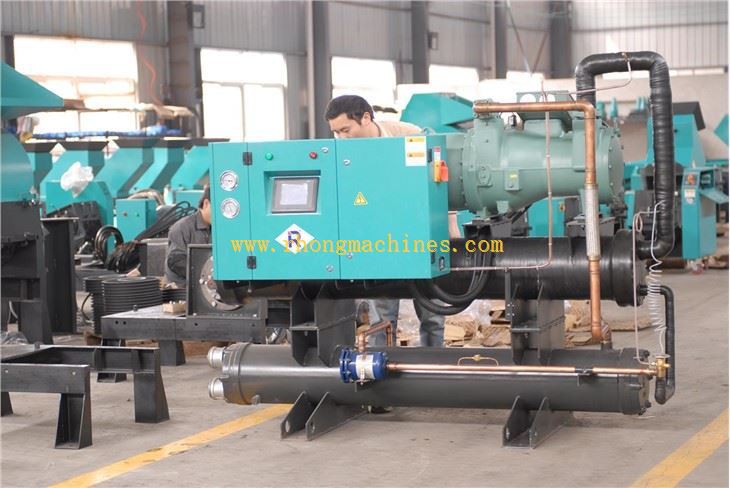
1. Clean the Chiller
- Clean the condenser coils, evaporator coils, and any filters. Over time, dirt and debris can accumulate on these components, which can reduce the efficiency of the chiller. Use a soft brush or a compressed air gun to remove the dirt.
2. Lubricate Moving Parts
- Check the moving parts of the chiller, such as the compressor bearings and the fan motors. If necessary, lubricate these parts according to the manufacturer's recommendations.
3. Inspect for Damage
- Do a more thorough inspection of the chiller for any signs of damage. Look for cracks in the pipes, leaks in the refrigerant lines, or any other issues that might need to be repaired before the next startup.
Storing the Chiller
If you're planning to store the chiller for an extended period, there are some additional steps you need to take.
1. Protect from the Elements
- If the chiller is outdoors, cover it with a waterproof and breathable cover. This will protect it from rain, snow, and sunlight.
2. Keep the Area Dry
- Make sure the storage area is dry. Moisture can cause corrosion and damage to the chiller components. If possible, use a dehumidifier in the storage area.
3. Periodic Checks
- Even when the chiller is in storage, it's a good idea to check on it periodically. Look for any signs of damage or deterioration and address them as soon as possible.
Getting Ready for the Next Startup
When you're ready to start the chiller up again, there are a few things you need to do.
1. Re - Check the Components
- Before starting the chiller, re - check all the components for any signs of damage or wear. Make sure all the connections are tight and there are no leaks.
2. Fill the Water System (if applicable)
- If you drained the water during the shutdown, refill the water system. Make sure to use clean water and follow the proper filling procedures.
3. Restore the Electrical Supply
- Reconnect the electrical supply to the chiller. Make sure the circuit breakers are in the correct position and there are no electrical issues.
Conclusion
Knowing the proper shutdown process for an industrial chiller is essential for its long - term performance and reliability. By following these steps, you can prevent damage to the chiller, save energy, and ensure a smooth startup when you need it again.
If you're in the market for a new industrial chiller or have any questions about the shutdown process, don't hesitate to reach out. We're here to help you make the best decisions for your cooling needs. Contact us to start a procurement discussion and find the perfect chiller for your industrial processes.

References
- Industrial Chiller Manufacturer's Manuals
- ASHRAE (American Society of Heating, Refrigerating and Air - Conditioning Engineers) Guidelines on Chiller Operations