

How to adjust the granule density in a plastic thermoform roller granulator?
Aug 03, 2026
Leave a message
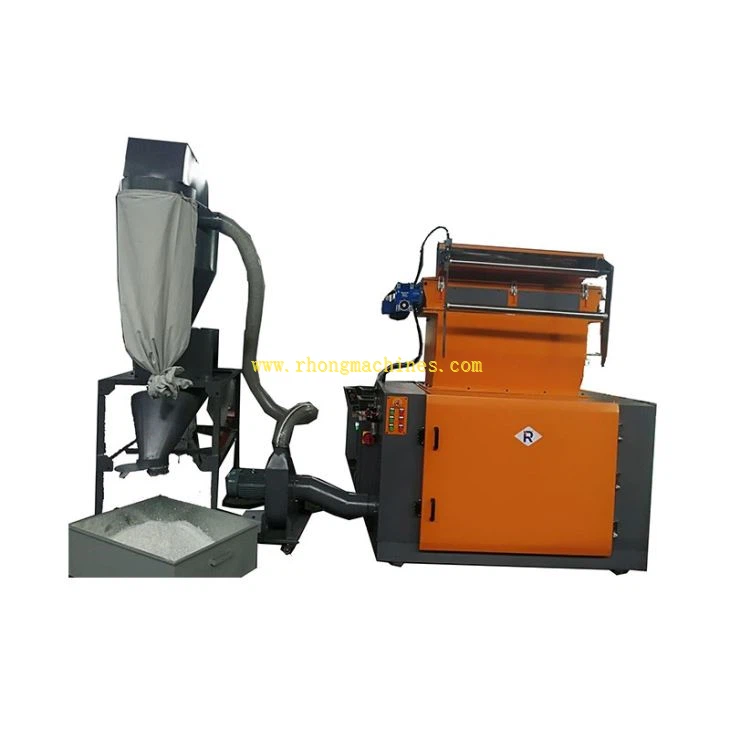
Adjusting the granule density in a plastic thermoform roller granulator is a crucial aspect of optimizing the granulation process. As a seasoned supplier of Plastic thermoform roller granulators, I am well - versed in the techniques and factors that influence granule density. In this blog, I will share in - depth insights on how to effectively adjust the granule density in these machines.
Understanding the Basics of Granule Density in Plastic Thermoform Roller Granulators
Granule density refers to the mass of the plastic granules per unit volume. It plays a significant role in determining the quality and performance of the final plastic products. The density of the granules can impact properties such as strength, durability, and resistance to various environmental factors.
In a plastic thermoform roller granulator, several elements interact during the granulation process. The plastic material is first heated and then passed through the roller system. The rollers apply pressure and shape the plastic into granules. The density of these granules is affected by the combination of temperature, pressure, roller speed, and the properties of the plastic material itself.
Factors Affecting Granule Density
Temperature
Temperature is one of the most critical factors in controlling granule density. When the heating temperature is too low, the plastic may not melt sufficiently. As a result, the granules may be less uniform and have a higher porosity, leading to lower density. On the other hand, if the temperature is too high, the plastic may become too fluid, causing the granules to merge or form irregular shapes, which can also affect the density negatively.
To adjust the temperature for the desired granule density, you need to understand the melting point of the specific plastic being used. Different types of plastics, such as polyethylene, polypropylene, and PVC, have different melting points. For example, polyethylene has a melting point range of approximately 105 - 137°C, while polypropylene melts at around 160 - 166°C. By setting the heating temperature slightly above the melting point of the plastic, you can ensure proper melting and a more uniform granule density.
Pressure
The pressure applied by the rollers is another key factor. Higher pressure can compress the plastic material more tightly, resulting in higher - density granules. However, excessive pressure can cause the plastic to deform or even damage the granulator.
When adjusting the pressure, start with a lower setting and gradually increase it while observing the granule density. You can use pressure gauges installed on the granulator to monitor the pressure accurately. It is also essential to ensure that the pressure is evenly distributed across the roller surface to produce consistent granules.
Roller Speed
The speed of the rollers affects the residence time of the plastic in the granulation area and the shearing force applied to the plastic. A higher roller speed generally reduces the residence time, which may result in less - compacted granules and lower density. Conversely, a lower roller speed allows more time for the plastic to be compressed and shaped, potentially leading to higher - density granules.
To find the optimal roller speed, conduct a series of tests. Start with a medium speed and adjust it incrementally while analyzing the granule density. You may also need to consider the type of plastic and the production rate requirements when determining the appropriate roller speed.
Plastic Material Properties
The properties of the plastic material, such as its molecular weight, viscosity, and additives, can significantly impact granule density. Plastics with higher molecular weights or higher viscosities tend to form more compact granules. Additives, such as fillers or plasticizers, can also affect the density. For example, adding fillers like calcium carbonate can increase the density of the plastic granules.
When working with different plastic materials or formulations, it is crucial to understand their properties and how they interact with the granulation process. You may need to adjust the temperature, pressure, and roller speed accordingly to achieve the desired granule density.
Step - by - Step Guide to Adjusting Granule Density
Material Preparation
Before starting the granulation process, ensure that the plastic material is clean and uniform. Remove any impurities or foreign particles that could affect the granule quality. If the plastic contains different additives, make sure they are well - mixed. This step is essential for achieving consistent granule density.

Initial Setup
Set the initial temperature, pressure, and roller speed according to the general guidelines for the specific plastic material. Refer to the material's technical data sheet for recommended processing parameters.
Monitoring and Testing
Once the granulator is running, start collecting samples of the granules at regular intervals. Use a density measurement device, such as a pycnometer or a digital density meter, to measure the density of the granules. Analyze the data to determine if the current settings are achieving the desired density.
Adjustment
Based on the test results, make incremental adjustments to the temperature, pressure, or roller speed. For example, if the granule density is too low, you can increase the pressure slightly or decrease the roller speed. After each adjustment, allow the granulator to stabilize for a few minutes before collecting new samples for testing.
Fine - Tuning
Continue the monitoring and adjustment process until you achieve the desired granule density. Make sure to document all the settings and adjustments made during the process for future reference.
Advantages of Our Plastic Thermoform Roller Granulators
As a supplier of Thermoform Roller Granulator, we offer a range of advanced features that facilitate the adjustment of granule density. Our granulators are equipped with precise temperature control systems that allow for accurate setting and monitoring of the heating temperature. The pressure - adjusting mechanisms are designed to provide stable and adjustable pressure, ensuring consistent granule density.
In addition to Thermoform Roller Granulator, we also supply other types of granulators, such as Sheet - online Granulator, Trash Bin Granulator, Sound Proof Thermoforming Granulator, and Plastic Off - line Film Granulator. Each of these machines is designed to meet the specific granulation needs of different plastic products.
Contact Us for Purchase and Consultation
If you are in the market for a high - quality plastic thermoform roller granulator or need more information on adjusting granule density, please feel free to reach out to us. Our team of experts is ready to provide you with detailed technical support and guidance. Whether you are looking to optimize your existing granulation process or start a new project, we have the solutions to meet your requirements. Contact us today to discuss your needs and explore the possibilities of working together.
References
- "Plastics Processing Handbook" by O. Olabisi
- "Principles of Polymer Processing" by Z. Tadmor and C.G. Gogos
- Technical data sheets of various plastic materials