

What is the water quality requirement for a Dual Temp Mold Water Heater?
Jul 04, 2025
Leave a message
Hey there! As a supplier of Dual Temp Mold Water Heaters, I often get asked about the water quality requirements for these nifty machines. It's a crucial topic because the right water quality can significantly impact the performance and lifespan of your heater. So, let's dive right in and explore what makes the perfect water for your Dual Temp Mold Water Heater.
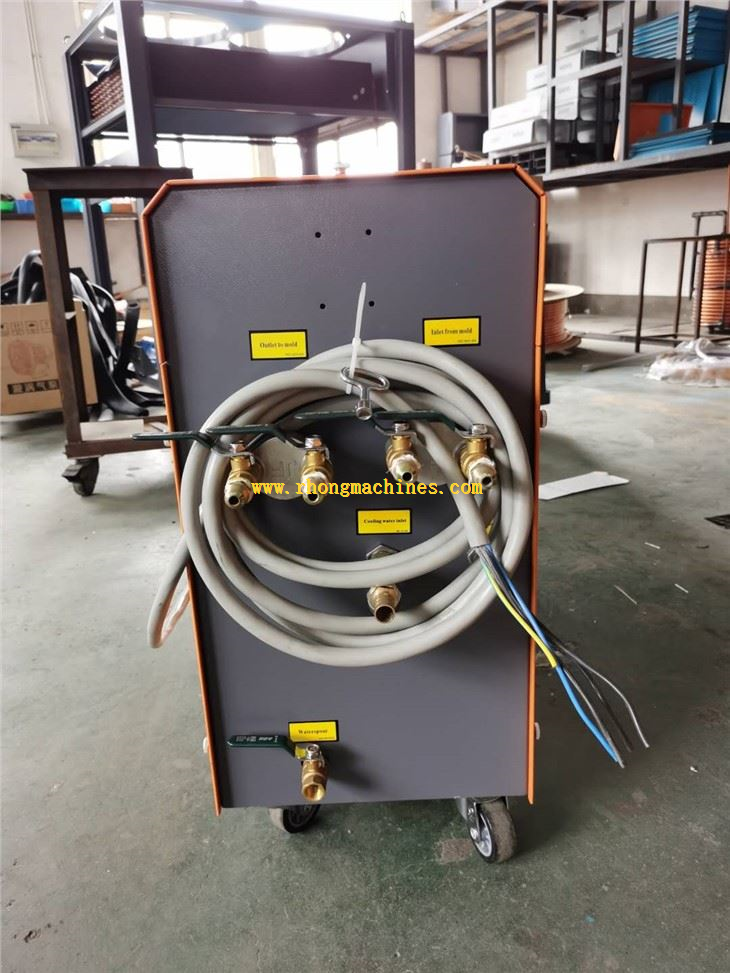

First off, let's talk about why water quality matters. The water in your heater circulates through the system, transferring heat to the mold. If the water is of poor quality, it can cause all sorts of problems. For example, hard water, which is high in minerals like calcium and magnesium, can lead to scale buildup. Scale is like a stubborn layer of crust that forms on the inside of your heater's pipes and components. This not only reduces the efficiency of heat transfer but can also clog the system over time, leading to breakdowns and costly repairs.
Another issue with poor water quality is corrosion. Water that is too acidic or contains high levels of dissolved oxygen can eat away at the metal parts of your heater. This weakens the structure and can cause leaks, which not only waste water but can also damage surrounding equipment. So, you can see why it's so important to get the water quality right.
So, what exactly are the water quality requirements for a Dual Temp Mold Water Heater? Well, there are a few key factors to consider.
1. Hardness
As I mentioned earlier, hard water can be a real problem. The ideal water hardness for a Dual Temp Mold Water Heater is typically between 0 - 50 ppm (parts per million) of calcium carbonate. This low level of hardness helps prevent scale buildup and keeps your heater running smoothly. If your water is harder than this, you may need to install a water softener. A water softener works by removing the calcium and magnesium ions from the water and replacing them with sodium ions. This process reduces the hardness of the water and helps protect your heater from scale. You can check out Water Type Mold Temperature Controller for more info on how different water qualities can affect mold temperature controllers.
2. pH Level
The pH level of the water is also important. The ideal pH range for a Dual Temp Mold Water Heater is between 7 - 9. A pH of 7 is considered neutral, while a pH below 7 is acidic and a pH above 7 is alkaline. Water that is too acidic can cause corrosion, while water that is too alkaline can also lead to scale formation. You can test the pH of your water using a simple pH test kit, which you can buy at most hardware stores. If the pH of your water is outside the ideal range, you may need to adjust it using chemicals. For example, if your water is too acidic, you can add a pH increaser to raise the pH. If it's too alkaline, you can add a pH decreaser.
3. Dissolved Oxygen
Dissolved oxygen in water can cause corrosion, especially in systems with metal components. The level of dissolved oxygen in the water should be kept as low as possible. One way to reduce the dissolved oxygen in the water is to use a deaerator. A deaerator works by heating the water and removing the dissolved gases, including oxygen. This process helps protect your heater from corrosion and extends its lifespan.
4. Total Dissolved Solids (TDS)
Total Dissolved Solids refer to the amount of inorganic and organic substances dissolved in the water. High levels of TDS can also contribute to scale buildup and corrosion. The ideal TDS level for a Dual Temp Mold Water Heater is typically below 500 ppm. You can measure the TDS of your water using a TDS meter. If the TDS level is too high, you may need to use a water filtration system to remove the dissolved solids.
5. Microbiological Contamination
Microorganisms like bacteria, algae, and fungi can grow in the water if the conditions are right. These microorganisms can cause slime buildup, which can clog the pipes and reduce the efficiency of your heater. They can also cause corrosion and other problems. To prevent microbiological contamination, it's important to keep the water clean and treat it regularly with biocides. Biocides are chemicals that kill or inhibit the growth of microorganisms. You should follow the manufacturer's recommendations for the type and amount of biocide to use.
Now that you know the water quality requirements for a Dual Temp Mold Water Heater, you might be wondering how to ensure that your water meets these standards. Here are a few tips:
- Test your water regularly: Use a water testing kit to check the hardness, pH, TDS, and other parameters of your water. This will help you identify any issues early and take appropriate action.
- Install water treatment equipment: Depending on the quality of your water, you may need to install a water softener, a deaerator, a water filtration system, or other treatment equipment. These devices can help improve the water quality and protect your heater.
- Follow the manufacturer's recommendations: The manufacturer of your Dual Temp Mold Water Heater will usually provide specific guidelines on water quality requirements and maintenance. Make sure you follow these recommendations to keep your heater in top condition.
In addition to these tips, it's also a good idea to have your heater serviced regularly by a professional. A professional technician can inspect your heater, check the water quality, and perform any necessary maintenance or repairs. This helps ensure that your heater is always operating at its best and reduces the risk of breakdowns.
If you're in the market for a Dual Temp Mold Water Heater or need more information about water quality requirements, feel free to reach out. We're here to help you make the right choice and ensure that your heater performs at its best for years to come. You can also check out our Oil Type Mold Temerature Controller Rhong Equipment and Dual-temp Mold Oil Heater for other options.
Investing in a high - quality Dual Temp Mold Water Heater and maintaining the right water quality is a smart move. It can save you money in the long run by reducing energy costs, preventing breakdowns, and extending the lifespan of your equipment. So, don't overlook the importance of water quality – it's the key to keeping your heater running smoothly.
References
- ASHRAE Handbook - HVAC Systems and Equipment.
- Manufacturer's manuals for Dual Temp Mold Water Heaters.
- Water treatment industry standards and guidelines.