

What is the impact of material hardness on pipes granulators?
Jan 09, 2026
Leave a message
Material hardness is a critical factor that can significantly influence the performance, efficiency, and lifespan of pipes granulators. As a supplier of pipes granulators, I've seen firsthand how the hardness of the materials being processed can make or break the granulation process. In this blog, I'll dive into the ins and outs of how material hardness impacts pipes granulators.
First off, let's talk about what material hardness even means. Simply put, hardness is a material's resistance to deformation, scratching, or penetration. It's usually measured on scales like the Rockwell, Brinell, or Vickers scale. When it comes to pipes granulators, the hardness of the plastic pipes, rubber, or other materials you're trying to granulate matters a whole lot.
One of the most obvious impacts of material hardness on pipes granulators is the wear and tear on the cutting blades. Harder materials can be much tougher on the blades, causing them to dull and wear out faster. For instance, if you're granulating high - density polyethylene (HDPE) pipes, which are relatively hard, the blades have to work harder to cut through the material. This constant abrasion can lead to a shorter lifespan for the blades, meaning you'll have to replace them more frequently. And blade replacement isn't just a hassle; it can also be costly, both in terms of the new blades themselves and the downtime of the granulator while the blades are being changed.
On the flip side, if the material is too soft, it can also cause problems. Soft materials might not be cut cleanly by the blades. Instead of being cut into nice, consistent granules, the material could get smushed or pushed around, leading to uneven granule sizes. This is a big no - no, especially if you're aiming for high - quality granules that can be easily reused in the manufacturing process.
The power consumption of pipes granulators is also affected by material hardness. Harder materials require more energy to cut and break down. The motor in the granulator has to work overtime to drive the blades through the tough material. This increased power consumption not only raises your electricity bill but also puts more stress on the motor. Over time, the extra strain can lead to motor failures or other mechanical issues.
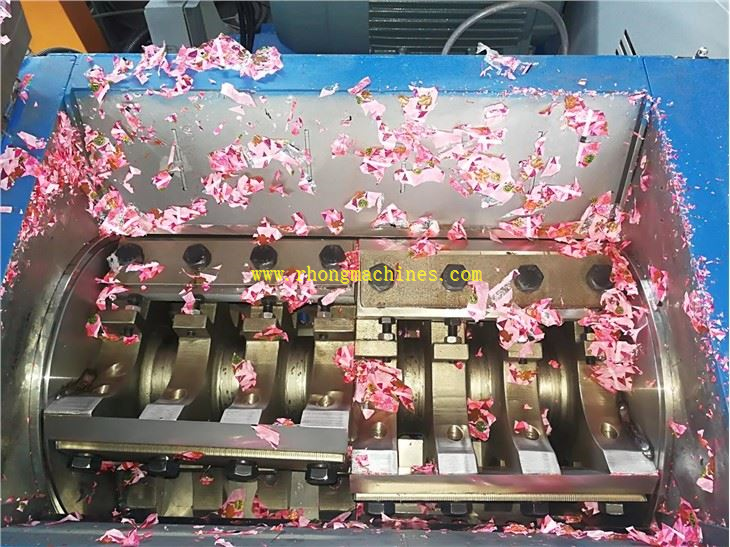

Another aspect to consider is the throughput of the granulator. Throughput refers to the amount of material that the granulator can process in a given time. When dealing with harder materials, the granulator's throughput might decrease. The machine has to take more time to cut through each piece of hard material, so it can't process as much material per hour as it could with softer materials. This can be a major problem if you have high production targets to meet.
Now, let's look at how different types of granulators handle materials of varying hardness. For example, the Garbage Can Heavy Duty Granulator is designed to handle tough, hard materials. It's built with heavy - duty blades and a powerful motor to cut through thick, hard plastics like those used in garbage cans. This type of granulator is a great choice if you regularly deal with hard materials.
On the other hand, the Trimmed Edges In - line Granulator is often used for processing softer, more flexible materials like the trimmed edges of plastic sheets. It's optimized for a more delicate granulation process, where clean cuts are needed without excessive force.
The Film Granulators are specifically designed for thin, soft plastic films. These granulators have a different blade design and cutting mechanism to ensure that the films are cut into small, uniform granules without getting tangled.
As a supplier, I always recommend that customers assess the hardness of the materials they'll be processing before choosing a granulator. If you're not sure about the hardness of your materials, you can have them tested in a lab. This will help you select the right granulator that can handle your specific materials efficiently and effectively.
If you're in the market for a pipes granulator and want to discuss how material hardness impacts your granulation needs, I'm here to help. Whether you're dealing with hard, soft, or a mix of materials, we can find the perfect granulator for your business. Don't hesitate to reach out and start a conversation about your requirements.
In conclusion, material hardness plays a crucial role in the performance and operation of pipes granulators. It affects everything from blade wear and power consumption to throughput and the type of granulator you should choose. By understanding the impact of material hardness, you can make informed decisions that will save you time, money, and headaches in the long run. So, if you're looking to improve your granulation process, take a close look at the hardness of the materials you're working with.
References:
- Plastics Recycling Handbook: A Guide to Recycling Technologies and Processes.
- Machinery's Handbook for Granulation Equipment.