

What is the dust emission of a screenless granulator?
Jun 06, 2025
Leave a message
Hey there! As a supplier of screenless granulators, I often get asked about the dust emission of these machines. So, I thought I'd take some time to break it down and give you a clear understanding of what's going on.
First off, let's talk about what a screenless granulator is. It's a type of granulating machine that doesn't use a screen to separate the granules. Instead, it relies on other methods to achieve the desired particle size. This can make it a more efficient and versatile option for many applications.
Now, onto the main question: what is the dust emission of a screenless granulator? Well, the amount of dust emitted by a screenless granulator can vary depending on a few factors. One of the biggest factors is the type of material being granulated. Some materials, like plastics, tend to produce less dust than others, like wood or paper.
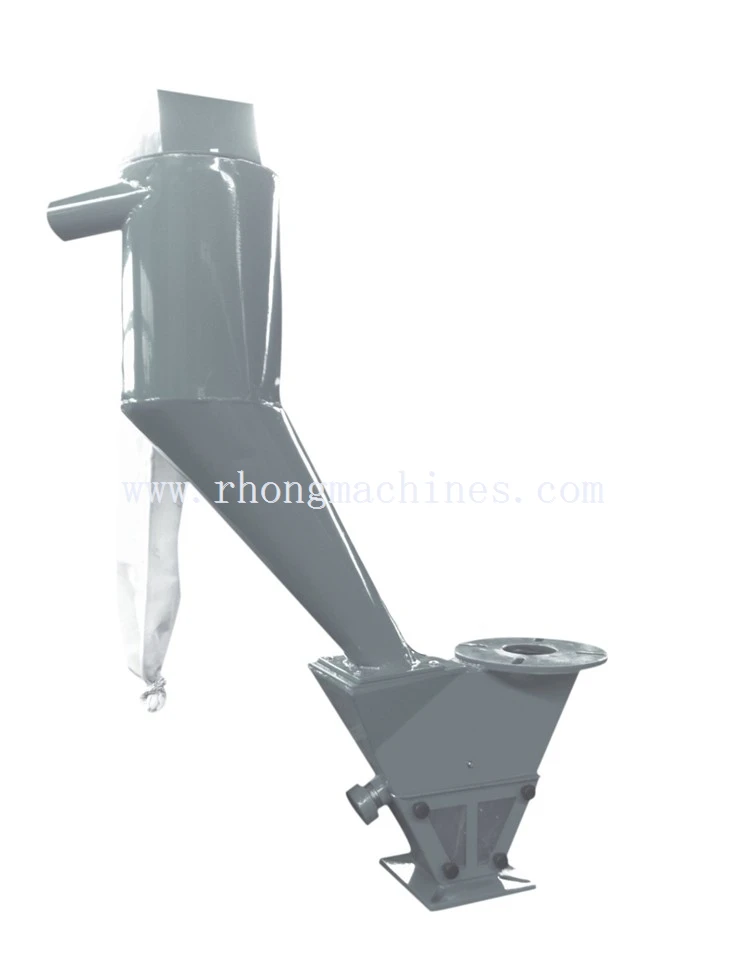
Another factor that can affect dust emission is the design of the granulator itself. Some screenless granulators are designed with features that help to minimize dust, such as enclosed hoppers and dust collection systems. These features can significantly reduce the amount of dust that is released into the air.
In addition to the design of the granulator, the operating conditions can also play a role in dust emission. For example, if the granulator is running at a high speed or if the material is being fed into the machine too quickly, it can generate more dust. On the other hand, if the granulator is running at a lower speed and the material is being fed in slowly and steadily, it can help to reduce dust emission.
So, how can you measure the dust emission of a screenless granulator? One way is to use a dust monitor, which can measure the concentration of dust in the air. This can give you a good idea of how much dust is being emitted by the granulator and whether it is within acceptable limits.
Another way to measure dust emission is to visually inspect the area around the granulator. If you notice a lot of dust in the air or on the surfaces near the machine, it could be a sign that the dust emission is too high. In this case, you may need to take steps to reduce the dust, such as adjusting the operating conditions or adding a dust collection system.
Now, let's talk about some of the benefits of using a screenless granulator with low dust emission. One of the biggest benefits is that it can improve the working environment for your employees. By reducing the amount of dust in the air, you can help to prevent respiratory problems and other health issues that can be caused by inhaling dust.
In addition to improving the working environment, low dust emission can also help to reduce maintenance costs. Dust can accumulate on the components of the granulator, which can cause them to wear out more quickly and require more frequent maintenance. By reducing the amount of dust, you can extend the lifespan of the granulator and save money on maintenance.

Another benefit of using a screenless granulator with low dust emission is that it can improve the quality of the granules. When there is less dust in the air, there is less chance of the dust getting mixed in with the granules, which can affect their size, shape, and consistency. This can result in higher-quality granules that are more suitable for your specific application.
If you're in the market for a screenless granulator, I recommend checking out our Rhong Machinery Plastic Granulator-Screenless. This granulator is designed with features that help to minimize dust emission, such as an enclosed hopper and a dust collection system. It also has a high-speed cutting mechanism that can efficiently granulate a variety of materials, including plastics, rubber, and wood.
Another option is our Low-speed Granulator Beside Machines 4HP. This granulator is designed for use beside machines and has a low-speed cutting mechanism that can reduce dust emission. It also has a compact design that makes it easy to install and operate.
Finally, we also offer a Slow-speed Plastic Granulator. This granulator is designed for use with plastics and has a slow-speed cutting mechanism that can minimize dust emission. It also has a large hopper that can hold a significant amount of material, making it ideal for high-volume applications.
In conclusion, the dust emission of a screenless granulator can vary depending on a number of factors, including the type of material being granulated, the design of the granulator, and the operating conditions. By choosing a screenless granulator with features that help to minimize dust emission, you can improve the working environment for your employees, reduce maintenance costs, and improve the quality of the granules. If you're interested in learning more about our screenless granulators or if you have any questions, please don't hesitate to contact us. We'd be happy to help you find the right granulator for your needs.
References
- Manufacturer's specifications and documentation for screenless granulators.
- Industry standards and guidelines for dust emission in granulating operations.