

What are the key components of pipes granulators?
Dec 11, 2025
Leave a message
Hey there! As a supplier of pipes granulators, I'm stoked to share with you the key components that make these machines tick. Pipes granulators play a crucial role in recycling and processing plastic pipes, turning waste into valuable resources. So, let's dive right in and take a closer look at what goes into these amazing pieces of equipment.
1. Cutting Chamber
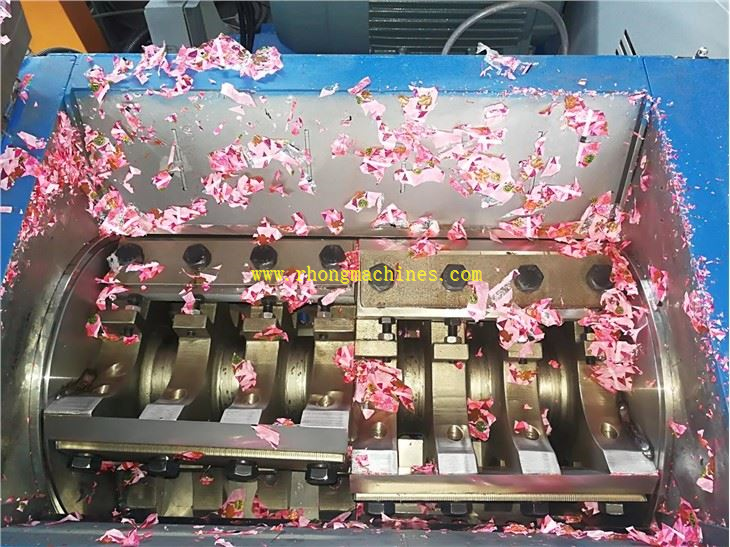
The cutting chamber is where all the action happens. It's like the heart of the pipes granulator. This is where the plastic pipes are fed in and chopped up into smaller pieces. The design of the cutting chamber is super important. It needs to be robust enough to handle the tough job of cutting through plastic pipes, which can vary in thickness and hardness.
Most cutting chambers are made from high - quality steel to ensure durability. The shape of the chamber is also carefully engineered. It's usually designed in a way that allows the pipes to move smoothly through the cutting area, maximizing the efficiency of the cutting process. Inside the cutting chamber, there are the cutting blades, which are the next key component.
2. Cutting Blades
The cutting blades are the real workhorses of the pipes granulator. They're responsible for actually slicing the plastic pipes into granules. The quality and design of the blades can have a huge impact on the performance of the granulator.
There are different types of blades used in pipes granulators. Some are straight blades, while others are serrated. Straight blades are great for making clean cuts, especially on thinner pipes. Serrated blades, on the other hand, are more suitable for thicker and tougher pipes as they can grip and cut through the material more effectively.
The blades are usually made from special alloys that are heat - treated to enhance their hardness and wear resistance. This ensures that they can withstand the repeated cutting action without dulling too quickly. Regular maintenance of the blades is essential to keep the granulator working at its best. This includes sharpening or replacing the blades when they start to show signs of wear.
3. Motor
The motor is what powers the entire operation of the pipes granulator. It provides the energy needed to turn the cutting blades and move the pipes through the machine. Choosing the right motor is crucial for the efficiency and performance of the granulator.
The power of the motor depends on the size and capacity of the granulator. Smaller granulators may have motors with a few kilowatts of power, while larger industrial - scale machines can have motors with dozens of kilowatts. The motor should also be reliable and energy - efficient. A good quality motor will not only keep the granulator running smoothly but also help to reduce operating costs.

In addition to power, the motor should have good torque characteristics. Torque is what allows the motor to handle the heavy load when cutting through thick pipes. A motor with insufficient torque may stall, causing the machine to stop working and potentially damaging the blades or other components.
4. Feed System
The feed system is responsible for getting the plastic pipes into the cutting chamber. It needs to be designed in a way that ensures a steady and consistent supply of pipes to the blades. There are different types of feed systems used in pipes granulators.
One common type is the hopper - based feed system. The pipes are loaded into a hopper, which then feeds them gradually into the cutting chamber. This type of system is simple and effective, especially for small - to medium - sized granulators. Another type is the conveyor - based feed system. Conveyor belts are used to transport the pipes to the cutting chamber. This is often used in larger granulators where a continuous and high - volume feed is required.
The feed system should also be adjustable. This allows operators to control the rate at which the pipes are fed into the machine, depending on the thickness and type of the pipes being processed.
5. Screen
The screen is an important component that helps to ensure the size of the granules produced by the granulator. It's located at the bottom of the cutting chamber and acts as a filter. Only granules that are small enough to pass through the holes in the screen will be discharged from the machine.
The size of the holes in the screen can be adjusted according to the desired granule size. For example, if you need smaller granules for a particular application, you can use a screen with smaller holes. Choosing the right screen is crucial for meeting the quality requirements of the final product.
6. Dust Collection System
Plastic granulation can generate a lot of dust and debris. A dust collection system is essential for keeping the working environment clean and safe. It also helps to prevent the dust from affecting the performance of the granulator.
The dust collection system usually consists of a dust collector, which is connected to the granulator through a series of pipes. The collector uses filters to trap the dust particles, preventing them from being released into the air. Regular maintenance of the dust collection system, such as cleaning or replacing the filters, is necessary to ensure its effectiveness.
7. Control Panel
The control panel is the brains of the pipes granulator. It allows operators to monitor and control various functions of the machine, such as the speed of the motor, the feed rate, and the on/off operation. A well - designed control panel should be easy to use and understand, even for operators with limited technical knowledge.
Modern control panels often come with digital displays and touch - screen interfaces. They may also have built - in safety features, such as emergency stop buttons and overload protection. This helps to ensure the safe and efficient operation of the granulator.
Related Products
If you're also interested in other types of granulators, we've got some great options for you. Check out our Film Granulators, which are specifically designed for processing plastic films. We also have Thermoforming Feedrolls Granulators that are ideal for thermoforming applications. And don't miss our Plastic Off - line Film Granulator, which offers high - quality granulation for off - line film processing.
Why Choose Us?
As a supplier of pipes granulators, we pride ourselves on offering high - quality machines that are reliable, efficient, and easy to maintain. Our granulators are designed using the latest technology and the best materials, ensuring long - term performance and value for money.
We also provide excellent customer service. Our team of experts is always ready to answer your questions, offer technical support, and help you choose the right granulator for your specific needs. Whether you're a small - scale recycler or a large industrial manufacturer, we have the solution for you.
Contact Us for Procurement
If you're interested in learning more about our pipes granulators or any of our other products, we'd love to hear from you. Feel free to reach out to us to discuss your requirements and start the procurement process. We're confident that we can provide you with a granulator that meets your expectations and helps you take your recycling or processing operations to the next level. So, don't hesitate to get in touch!
References
- Textbook on Plastic Processing Machinery
- Industry Reports on Plastic Recycling and Granulation