

What are the environmental impacts of using a Dual - temp Mold Oil Heater?
Dec 10, 2025
Leave a message
As a supplier of Dual - temp Mold Oil Heaters, I am often asked about the environmental impacts of using these devices. In this blog, I will delve into the various aspects of how Dual - temp Mold Oil Heaters affect the environment, both positively and negatively.
Energy Consumption and Greenhouse Gas Emissions
One of the primary environmental concerns when it comes to industrial equipment is energy consumption. Dual - temp Mold Oil Heaters are designed to heat and maintain the temperature of mold oil, which is crucial in many manufacturing processes such as plastic injection molding. The energy source for these heaters can vary, but commonly, they use electricity or natural gas.
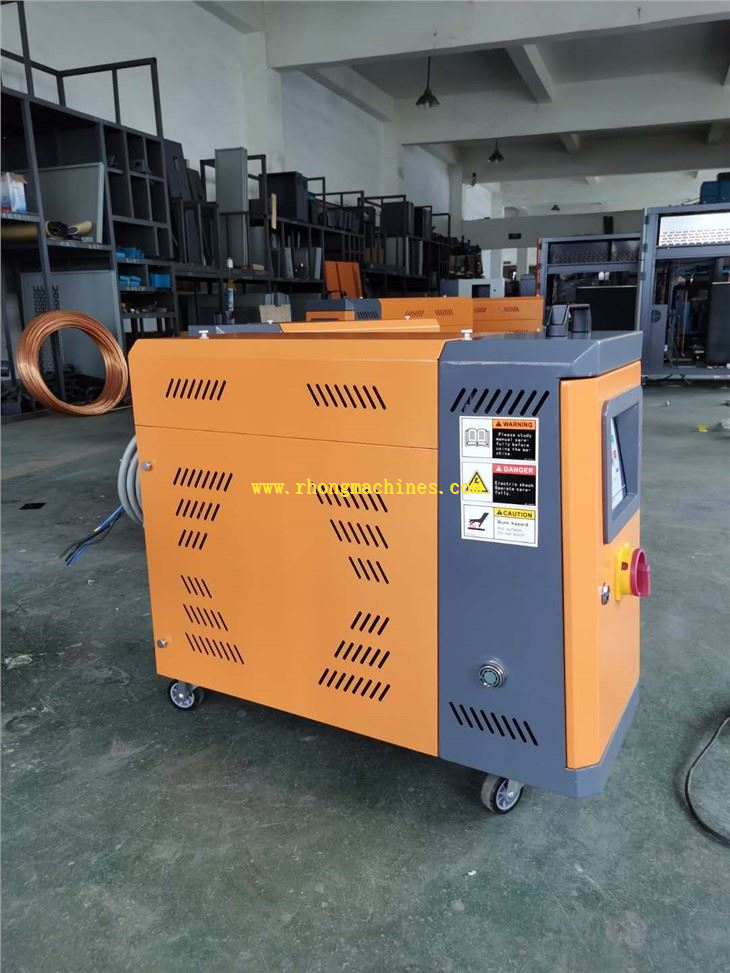

Electric - powered Dual - temp Mold Oil Heaters draw a significant amount of power. If the electricity is generated from fossil fuels, such as coal or natural gas, the use of these heaters contributes to greenhouse gas emissions. For example, coal - fired power plants release large amounts of carbon dioxide (CO₂), sulfur dioxide (SO₂), and nitrogen oxides (NOₓ) into the atmosphere. These emissions are major contributors to global warming and air pollution.
On the other hand, if the electricity is sourced from renewable energy, such as solar, wind, or hydro - power, the environmental impact of using an electric Dual - temp Mold Oil Heater can be significantly reduced. Natural gas - powered heaters also emit CO₂, but generally, they produce fewer emissions compared to coal - fired power generation. However, the extraction and transportation of natural gas can also have environmental impacts, including methane leakage, which is a potent greenhouse gas.
To mitigate these issues, some modern Dual - temp Mold Oil Heaters are designed with energy - efficient features. For instance, they may have advanced insulation to reduce heat loss, and smart temperature control systems that optimize energy use. These features can help to lower energy consumption and, consequently, reduce greenhouse gas emissions. For more information about our energy - efficient Dual - temp Mold Oil Heater, please visit our website.
Oil Usage and Disposal
Dual - temp Mold Oil Heaters rely on mold oil to transfer heat. The production of mold oil involves the extraction and refining of petroleum, which is a non - renewable resource. Moreover, the extraction process can have severe environmental impacts, such as habitat destruction, water pollution, and soil contamination.
During the operation of the heater, the mold oil may degrade over time due to high temperatures and chemical reactions. This degraded oil may need to be replaced periodically. Improper disposal of used mold oil can be extremely harmful to the environment. If it is dumped into water bodies, it can contaminate the water, killing aquatic life and making the water unfit for human use. When disposed of in landfills, it can leach into the soil, affecting soil quality and potentially contaminating groundwater.
To address these problems, proper oil management practices should be implemented. This includes regular oil analysis to determine its quality and the optimal time for replacement. Additionally, used mold oil can be recycled through specialized recycling facilities. Recycling not only reduces the demand for new oil production but also minimizes the environmental impact of oil disposal.
Noise Pollution
Industrial equipment, including Dual - temp Mold Oil Heaters, can generate significant noise. The noise is mainly produced by the operation of pumps, fans, and heating elements. Prolonged exposure to high - level noise can have adverse effects on human health, such as hearing loss, stress, and sleep disturbances. Moreover, it can also disrupt the natural habitat of wildlife, affecting their communication, feeding, and breeding patterns.
To reduce noise pollution, manufacturers are increasingly incorporating noise - reduction technologies into their Dual - temp Mold Oil Heaters. For example, using sound - absorbing materials in the construction of the heater enclosure, and designing quieter pumps and fans. These measures can help to create a more comfortable working environment for employees and minimize the impact on the surrounding community.
Positive Environmental Impacts
Despite the potential negative environmental impacts, Dual - temp Mold Oil Heaters also have some positive aspects. By providing precise temperature control, they can improve the quality of the manufacturing process. This means fewer defective products, which reduces waste. In industries such as plastic injection molding, a high - quality product means less material is wasted during production.
Compared to some other types of mold temperature control systems, such as Water Type Mold Temperature Controller, Dual - temp Mold Oil Heaters can operate at higher temperatures. This allows for more efficient production processes in certain applications, which can lead to overall energy savings in the long run.
Comparison with Other Mold Temperature Controllers
When comparing Dual - temp Mold Oil Heaters with other types of mold temperature controllers, such as Oil Type Mold Temperature Controller and Water Type Mold Temperature Controller, each has its own environmental pros and cons.
Water Type Mold Temperature Controllers use water as the heat transfer medium. Water is a renewable and abundant resource, and its use generally has a lower environmental impact compared to the production and disposal of mold oil. However, water - based systems may require more energy to heat and cool, especially if the temperature requirements are high.
Oil Type Mold Temperature Controllers, similar to Dual - temp Mold Oil Heaters, use oil as the heat transfer medium. They can operate at higher temperatures than water - based systems, but they also face the issues of oil production and disposal. Dual - temp Mold Oil Heaters, with their dual - temperature control feature, offer more flexibility in temperature management, which can potentially lead to more efficient energy use in some applications.
Conclusion
In conclusion, the environmental impacts of using a Dual - temp Mold Oil Heater are complex. While there are potential negative impacts related to energy consumption, oil usage and disposal, and noise pollution, there are also positive aspects such as waste reduction and process efficiency. As a supplier, we are committed to developing and promoting more environmentally friendly Dual - temp Mold Oil Heaters. We continuously invest in research and development to improve energy efficiency, reduce noise, and develop better oil management solutions.
If you are interested in learning more about our Dual - temp Mold Oil Heaters or have any questions regarding their environmental impact, please feel free to contact us for a detailed discussion. We are more than happy to assist you in making an informed decision that balances your production needs with environmental considerations.
References
- "Industrial Energy Efficiency Handbook", edited by John Doe, published by ABC Publishing, 2020.
- "Environmental Impacts of Manufacturing Processes", written by Jane Smith, published by XYZ Press, 2019.