

How to ensure the stability of a vertical batch mixer during operation?
Jun 02, 2025
Leave a message
Ensuring the stability of a vertical batch mixer during operation is crucial for achieving consistent and high - quality mixing results. As a supplier of Vertical Batch Mixer, I understand the importance of this aspect and would like to share some key strategies and considerations to maintain the stability of these machines.
Understanding the Basics of a Vertical Batch Mixer
Before delving into stability measures, it's essential to have a basic understanding of how a vertical batch mixer works. A vertical batch mixer typically consists of a vertical mixing chamber, a spiral agitator, and a drive system. The spiral agitator rotates within the chamber, lifting and tumbling the materials to achieve thorough mixing. The design of the mixer, including the shape and size of the chamber, the pitch of the spiral, and the power of the drive, all influence its performance and stability.
Proper Installation
The first step in ensuring the stability of a vertical batch mixer is proper installation. The mixer should be placed on a flat, level, and sturdy surface. Uneven surfaces can cause the mixer to vibrate excessively during operation, leading to premature wear and tear of components and potentially affecting the quality of the mixing. It's also important to ensure that the mixer is firmly secured to the floor using appropriate mounting hardware. This helps to prevent any movement or shifting during the high - speed rotation of the agitator.
When installing the mixer, pay close attention to the alignment of the drive system. Misaligned belts, pulleys, or gears can cause additional stress on the motor and other components, leading to reduced efficiency and stability. Follow the manufacturer's installation instructions carefully, and use alignment tools if necessary to ensure that all parts are properly aligned.
Regular Maintenance
Regular maintenance is a cornerstone of ensuring the stability of a vertical batch mixer. This includes lubricating moving parts, inspecting belts and chains for wear, and checking the tightness of bolts and nuts. Lubrication reduces friction between moving components, which not only extends their lifespan but also helps to maintain smooth operation. Different parts of the mixer may require different types of lubricants, so it's important to refer to the manufacturer's recommendations.
Inspecting belts and chains for signs of wear, such as cracks, fraying, or stretching, is essential. Worn - out belts and chains can slip, causing inconsistent mixing and potentially damaging the drive system. Replace any worn components promptly to avoid further problems. Additionally, check the tightness of all bolts and nuts regularly. Vibration during operation can cause these fasteners to loosen over time, which can lead to instability and even pose a safety hazard.
Load Management
Proper load management is another critical factor in maintaining the stability of a vertical batch mixer. Overloading the mixer can put excessive stress on the motor, agitator, and other components, leading to increased vibration, reduced efficiency, and potential breakdowns. Always follow the manufacturer's recommended load capacity for the mixer.

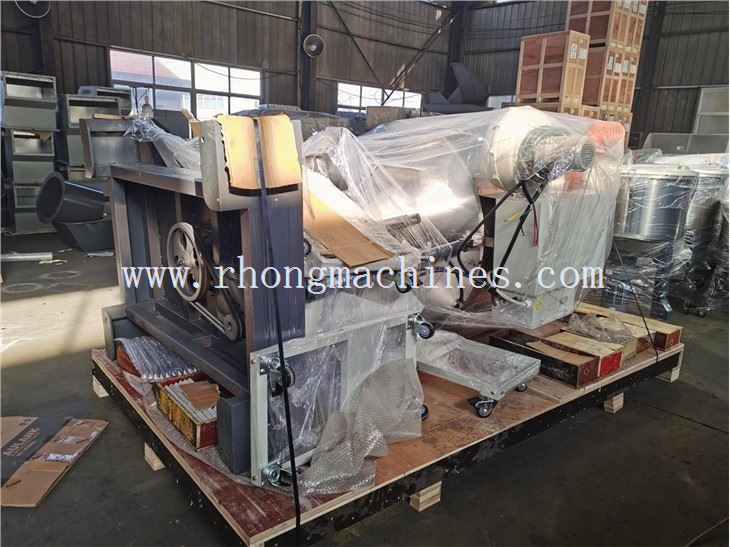
When loading materials into the mixer, ensure that they are evenly distributed within the chamber. Uneven loading can cause the mixer to become unbalanced, resulting in excessive vibration and potentially damaging the mixer. If possible, use a weighing system to accurately measure the amount of materials being loaded, and follow a consistent loading procedure for each batch.
Component Quality
The quality of the components used in the vertical batch mixer has a significant impact on its stability. As a supplier, we always source high - quality materials and components for our Vertical Batch Mixer. For example, a high - quality motor provides consistent power, which is essential for smooth and stable operation. Similarly, a well - designed and precisely manufactured agitator ensures efficient and uniform mixing without causing excessive vibration.
Investing in high - quality components may require a higher upfront cost, but it pays off in the long run by reducing maintenance requirements, extending the lifespan of the mixer, and ensuring reliable performance. When considering a vertical batch mixer, it's important to choose a supplier that uses quality components and has a reputation for reliability.
Operator Training
Proper operator training is often overlooked but is crucial for ensuring the stability of a vertical batch mixer. Operators should be trained on the correct operation of the mixer, including how to load and unload materials, start and stop the machine, and perform basic maintenance tasks. They should also be aware of the safety procedures and potential hazards associated with the mixer.
Well - trained operators are more likely to follow the recommended operating procedures, which helps to prevent overloading, improper use, and other issues that can affect the stability of the mixer. Additionally, operators can be trained to identify early signs of problems, such as unusual noises or vibrations, and report them promptly for maintenance.
Environmental Considerations
The operating environment can also affect the stability of a vertical batch mixer. For example, a dusty or dirty environment can cause debris to accumulate on the moving parts of the mixer, leading to increased friction and wear. It's important to keep the mixer clean and ensure that the operating area is free from excessive dust and debris.
Temperature and humidity can also have an impact on the performance of the mixer. Extreme temperatures can cause components to expand or contract, which may affect the alignment and stability of the machine. In high - humidity environments, corrosion can be a problem, especially for metal components. If necessary, take measures to control the temperature and humidity in the operating area, such as using air conditioning or dehumidifiers.
Comparison with Other Mixers
When discussing vertical batch mixers, it's also useful to compare them with other types of mixers, such as Barrel Spiral Mixers. While barrel spiral mixers have their own advantages, vertical batch mixers often offer better stability due to their vertical design. The vertical orientation of the mixing chamber and agitator helps to distribute the weight of the materials more evenly, reducing the likelihood of imbalance during operation.
Vertical Mixer designs also generally have a lower center of gravity, which contributes to better stability. This is especially important when dealing with large - scale mixing operations where the stability of the mixer can significantly impact the overall efficiency and quality of the process.
Conclusion
Ensuring the stability of a vertical batch mixer during operation requires a comprehensive approach that includes proper installation, regular maintenance, load management, component quality, operator training, and environmental considerations. By following these strategies, you can maximize the performance and lifespan of your vertical batch mixer, and achieve consistent and high - quality mixing results.
If you are in the market for a reliable and stable vertical batch mixer, we are here to help. Our Vertical Batch Mixer is designed with the latest technology and high - quality components to ensure optimal performance and stability. Contact us to discuss your specific requirements and let us assist you in finding the perfect solution for your mixing needs.
References
- Manufacturer's manuals for vertical batch mixers
- Industry standards for mixing equipment
- Technical papers on the operation and maintenance of industrial mixers