

How to choose the right capacity of dehumidifier machinery?
May 27, 2025
Leave a message
When it comes to maintaining a comfortable and healthy indoor environment, humidity control plays a crucial role. Excessive humidity can lead to a variety of problems, including mold growth, musty odors, and damage to furniture and electronics. That's where dehumidifier machinery comes in. As a leading supplier of dehumidifier machinery, I understand the importance of choosing the right capacity for your specific needs. In this blog post, I'll share some key factors to consider when selecting the appropriate dehumidifier capacity.
Understanding Dehumidifier Capacity
Dehumidifier capacity is typically measured in pints per day (PPD). This rating indicates the amount of moisture the dehumidifier can remove from the air in a 24 - hour period under specific conditions (usually around 80°F and 60% relative humidity). However, it's important to note that real - world conditions can vary significantly, and this rating is more of a guideline.
Factors to Consider When Choosing Capacity
1. Room Size
The size of the area you want to dehumidify is one of the most important factors. Larger rooms will require a dehumidifier with a higher capacity. As a general rule of thumb, for a small room (up to 250 square feet), a dehumidifier with a capacity of 10 - 20 pints per day may be sufficient. For medium - sized rooms (250 - 500 square feet), a 20 - 30 pints per day dehumidifier is a good choice. And for large rooms (over 500 square feet), you'll likely need a dehumidifier with a capacity of 30 pints per day or more.
For example, if you have a basement that is around 400 square feet and has a high humidity level due to its underground location, a 20 - 30 pints per day dehumidifier would be appropriate to keep the moisture in check.
2. Humidity Level
The current humidity level in the area also affects the required capacity. If the humidity is extremely high, say above 70% relative humidity, you'll need a more powerful dehumidifier. In areas with moderate humidity (around 40 - 60% relative humidity), a lower - capacity dehumidifier may be enough.
A coastal area or a room with poor ventilation may have consistently high humidity. In such cases, a high - capacity dehumidifier can help bring the humidity down to a comfortable level more quickly. On the other hand, an area with relatively low humidity may only need a small - capacity dehumidifier to maintain the optimal moisture balance.
3. Usage Frequency
How often you plan to use the dehumidifier is another consideration. If you only need to dehumidify the area occasionally, a lower - capacity unit may be sufficient. However, if you need continuous dehumidification, such as in a manufacturing facility or a storage room where moisture - sensitive items are kept, a higher - capacity dehumidifier is recommended.
For instance, a hobby room that you use only on weekends may not require a large - capacity dehumidifier. But a warehouse storing electronic components needs a powerful dehumidifier running constantly to protect the goods from moisture damage.
4. Purpose of the Space
The purpose of the space also matters. Different spaces have different humidity requirements. For example, a living room or bedroom should have a relative humidity of around 30 - 50% for comfort and health. A laundry room or a bathroom, on the other hand, may tolerate slightly higher humidity levels but still need dehumidification to prevent mold growth.
In a commercial kitchen, high humidity can cause problems with food storage and equipment. A high - capacity dehumidifier is essential to maintain a dry and hygienic environment.
Our Dehumidifier Machinery Offerings
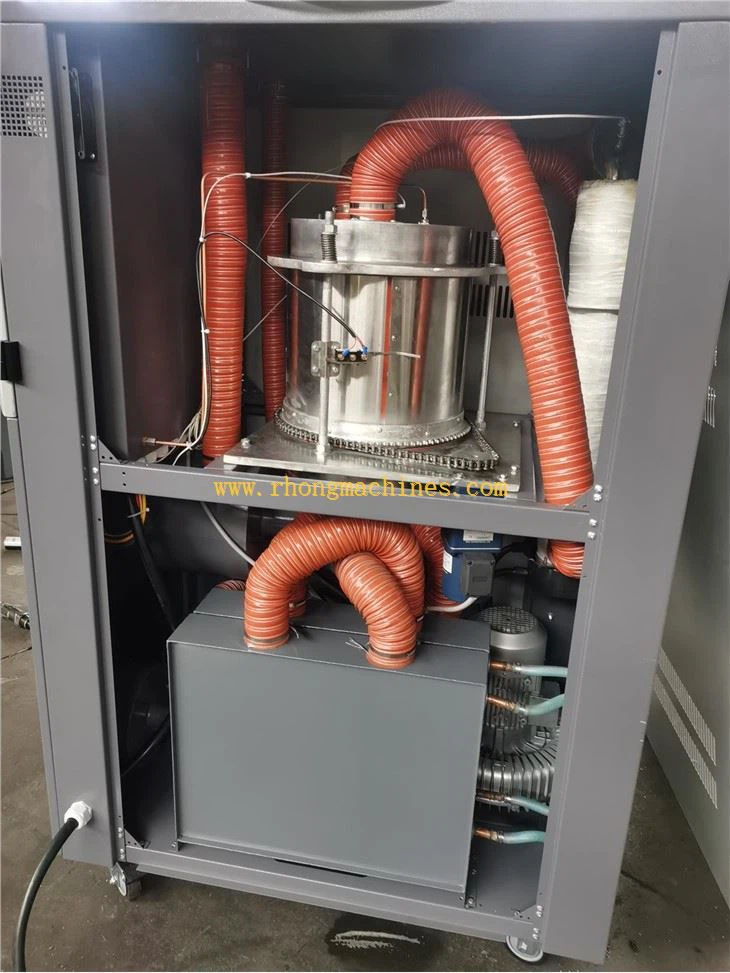
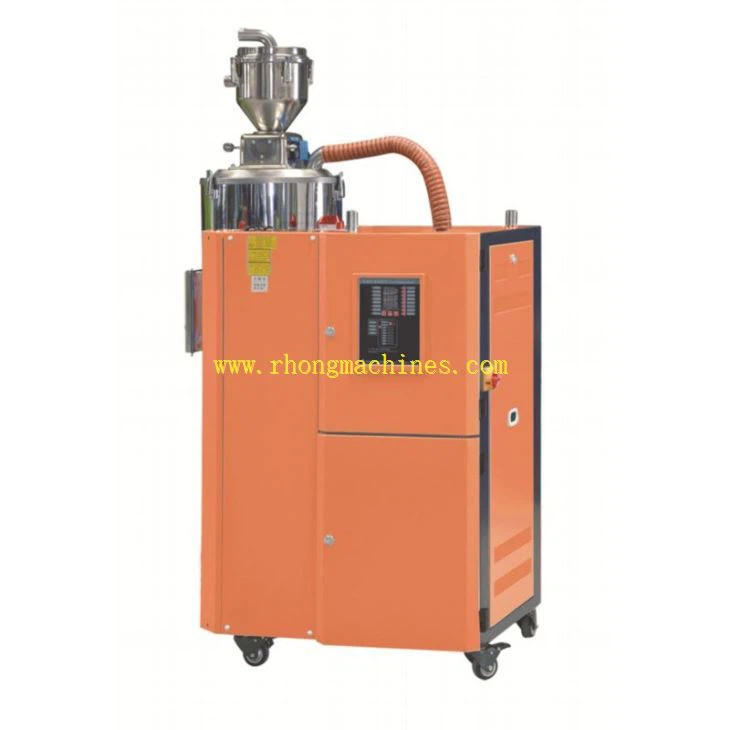
As a dehumidifier machinery supplier, we offer a wide range of products to meet different needs. Our All - in - One Dehumidifying and Dryers are designed to provide efficient dehumidification and drying functions in one unit. They are suitable for various applications, from small workshops to large industrial spaces.
Our Dehumidifying Dryer 2 In 1 combines the benefits of dehumidification and drying, making it a versatile choice for many users. It can be used in both residential and commercial settings to control humidity and dry materials.
For those in the plastics industry, our PET Honeycomb Dehumidifier is a specialized solution. It is designed to effectively remove moisture from PET materials, ensuring high - quality production.
Calculating the Right Capacity
To calculate the approximate dehumidifier capacity you need, you can use the following steps:
- Measure the square footage of the area.
- Determine the current humidity level and the desired humidity level.
- Consider the factors mentioned above, such as usage frequency and purpose of the space.
Based on these factors, you can estimate the required capacity. If you're still unsure, our team of experts can assist you in making the right decision.
Conclusion
Choosing the right capacity of dehumidifier machinery is essential for effective humidity control. By considering factors such as room size, humidity level, usage frequency, and purpose of the space, you can select a dehumidifier that meets your specific needs. As a dehumidifier machinery supplier, we are committed to providing high - quality products and professional advice. If you're interested in our dehumidifier machinery or need help in choosing the right capacity, please feel free to contact us for a procurement discussion. We look forward to working with you to create a more comfortable and dry environment.
References
- ASHRAE Handbook of Fundamentals. This handbook provides comprehensive information on humidity control and related engineering principles.
- Manufacturer's specifications of dehumidifier machinery. These specifications offer detailed information about the capacity and performance of different dehumidifier models.