

How to adjust the temperature settings of a mold temperature controller?
Jun 06, 2025
Leave a message
Adjusting the temperature settings of a mold temperature controller is a critical task that directly impacts the quality and efficiency of the molding process. As a trusted Mold Temperature Controller supplier, we understand the importance of precise temperature control and are here to guide you through the process. In this blog, we will delve into the key steps and considerations for adjusting the temperature settings of a mold temperature controller effectively.
Understanding the Basics of Mold Temperature Control
Before we dive into the adjustment process, it's essential to have a basic understanding of how a mold temperature controller works. A mold temperature controller is a device that regulates the temperature of the mold during the molding process. It ensures that the mold maintains a consistent temperature, which is crucial for achieving high-quality molded products.
There are different types of mold temperature controllers available in the market, including Mold Temperature Controller(Water Type), Two Stage Water Type Mold Temperature Controller, and Oil Type Mold Temperature Controller. Each type has its own advantages and is suitable for different applications.
Factors Affecting Mold Temperature
Several factors can affect the temperature of the mold, including the type of plastic material being used, the size and shape of the mold, the injection speed, and the ambient temperature. It's important to consider these factors when adjusting the temperature settings of the mold temperature controller.
- Plastic Material: Different plastic materials have different melting points and processing temperatures. It's crucial to set the mold temperature according to the requirements of the plastic material being used. For example, some plastics require a higher mold temperature to ensure proper filling and flow, while others may require a lower temperature to prevent warping or shrinkage.
- Mold Size and Shape: The size and shape of the mold can also affect the temperature distribution. Larger molds may require a higher temperature to ensure uniform heating, while complex shapes may require a more precise temperature control to avoid hot spots or cold spots.
- Injection Speed: The injection speed can influence the temperature of the mold. A higher injection speed can generate more heat, which may require a lower mold temperature to maintain the desired temperature range.
- Ambient Temperature: The ambient temperature can also have an impact on the mold temperature. In a hot environment, the mold may require more cooling to maintain the desired temperature, while in a cold environment, additional heating may be necessary.
Step-by-Step Guide to Adjusting Mold Temperature Settings
Now that we have a better understanding of the factors affecting mold temperature, let's go through the step-by-step process of adjusting the temperature settings of a mold temperature controller.
Step 1: Determine the Optimal Temperature Range
The first step is to determine the optimal temperature range for the molding process. This can be done by referring to the plastic material manufacturer's recommendations or by conducting some trial runs. It's important to note that the optimal temperature range may vary depending on the specific application and the quality requirements of the molded products.
Step 2: Set the Target Temperature
Once you have determined the optimal temperature range, set the target temperature on the mold temperature controller. Make sure to set the temperature within the recommended range to ensure proper molding.
Step 3: Monitor the Temperature
After setting the target temperature, monitor the temperature of the mold using a temperature sensor or a thermocouple. This will allow you to ensure that the mold temperature is within the desired range. If the temperature is too high or too low, you may need to adjust the settings accordingly.
Step 4: Adjust the Heating or Cooling Rate
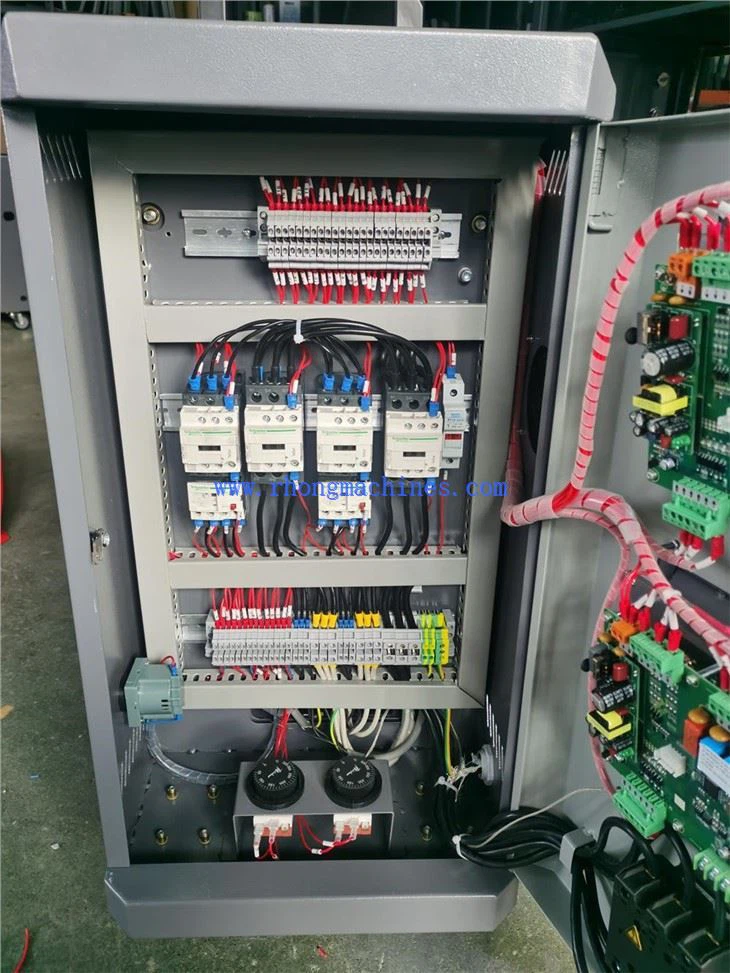
If the mold temperature is not reaching the target temperature or is fluctuating too much, you may need to adjust the heating or cooling rate of the mold temperature controller. Most mold temperature controllers allow you to adjust the heating or cooling rate to achieve a more stable temperature control.

Step 5: Fine-Tune the Settings
Once the mold temperature has stabilized within the desired range, fine-tune the settings to optimize the molding process. This may involve adjusting the temperature based on the feedback from the temperature sensor or making some minor adjustments to the heating or cooling rate.
Tips for Effective Temperature Adjustment
Here are some additional tips to help you adjust the temperature settings of a mold temperature controller effectively:
- Use a High-Quality Temperature Sensor: A high-quality temperature sensor can provide accurate temperature readings, which is essential for precise temperature control. Make sure to calibrate the temperature sensor regularly to ensure its accuracy.
- Maintain a Consistent Temperature: Try to maintain a consistent temperature throughout the molding process. Fluctuations in temperature can lead to defects in the molded products, such as warping, shrinkage, or uneven surface finish.
- Keep the Mold Clean: A dirty mold can affect the heat transfer and make it more difficult to control the temperature. Regularly clean the mold to ensure optimal heat transfer and temperature control.
- Conduct Regular Maintenance: Regular maintenance of the mold temperature controller is essential to ensure its proper functioning. This may include checking the fluid levels, inspecting the heating elements and cooling systems, and replacing any worn-out parts.
Conclusion
Adjusting the temperature settings of a mold temperature controller is a crucial step in the molding process. By understanding the factors affecting mold temperature and following the step-by-step guide outlined in this blog, you can ensure that the mold maintains a consistent temperature within the optimal range. This will help you achieve high-quality molded products and improve the efficiency of your molding operations.
If you have any questions or need further assistance with adjusting the temperature settings of your mold temperature controller, please feel free to contact us. As a leading Mold Temperature Controller supplier, we have the expertise and experience to provide you with the best solutions for your molding needs. We look forward to working with you and helping you achieve your production goals.
References
- Plastic Material Manufacturer's Guidelines
- Industry Best Practices for Mold Temperature Control