

How to adjust the particle size of a Middle Speed Granulator?
Jun 05, 2025
Leave a message
As a seasoned supplier of Middle Speed Granulators, I understand the crucial role that particle size adjustment plays in the granulation process. Whether you're in the plastics industry, pharmaceuticals, or food processing, getting the right particle size is essential for product quality and efficiency. In this blog post, I'll share some practical tips on how to adjust the particle size of a Middle Speed Granulator.
Understanding the Basics of Middle Speed Granulators
Before diving into the adjustment techniques, it's important to have a basic understanding of how Middle Speed Granulators work. These machines typically use a combination of cutting, shearing, and grinding to break down materials into smaller particles. The speed of the granulator, the design of the cutting blades, and the screen size all contribute to the final particle size.

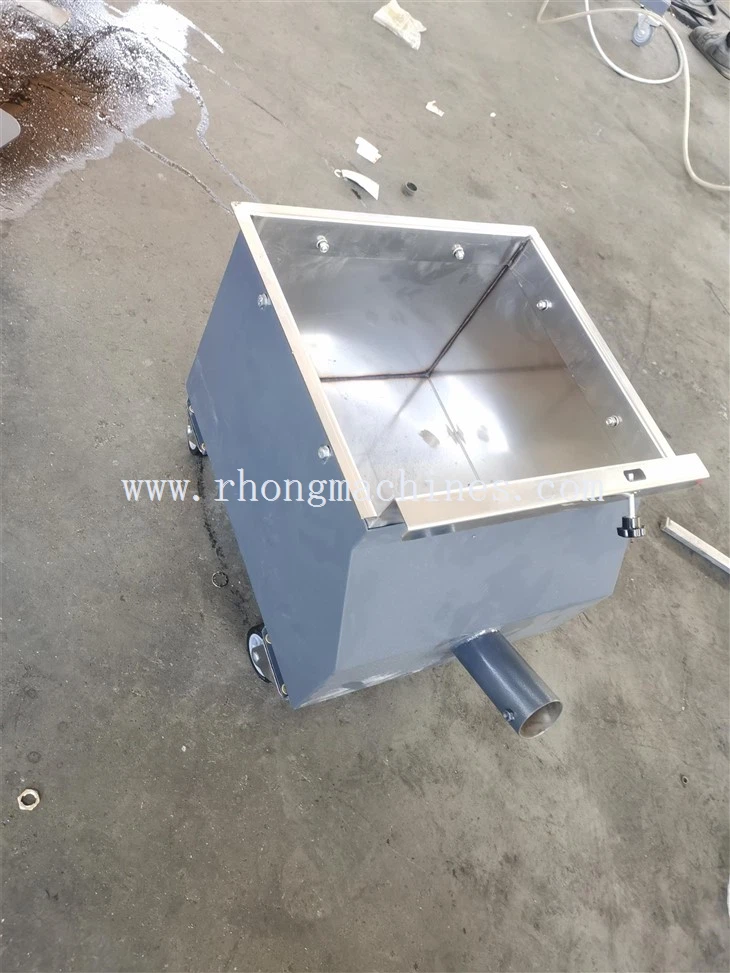
Middle Speed Granulators are known for their versatility and efficiency. They can handle a wide range of materials, including plastics, rubber, and organic substances. Compared to high-speed granulators, they offer a more controlled granulation process, which is ideal for materials that require a specific particle size distribution.
Factors Affecting Particle Size
Several factors can influence the particle size produced by a Middle Speed Granulator. Understanding these factors is key to making effective adjustments.
1. Rotor Speed
The speed of the rotor is one of the most important factors affecting particle size. A higher rotor speed generally results in smaller particles, as the materials are subjected to more intense cutting and shearing forces. However, increasing the rotor speed too much can also lead to overheating and excessive wear on the blades.
To adjust the rotor speed, most Middle Speed Granulators are equipped with a speed control mechanism. This allows you to fine-tune the speed according to the material you're processing and the desired particle size.
2. Screen Size
The screen size is another critical factor in determining particle size. The screen acts as a filter, allowing only particles smaller than the screen openings to pass through. A smaller screen size will result in finer particles, while a larger screen size will produce coarser particles.
When selecting a screen, it's important to consider the material's properties and the desired particle size range. Some materials may require a specific screen design or mesh size to achieve the best results.
3. Blade Design and Sharpness
The design and sharpness of the cutting blades also play a significant role in particle size. Blades with a more aggressive cutting edge will generally produce smaller particles, while dull blades can result in larger, unevenly sized particles.
Regular blade maintenance is essential to ensure optimal performance. This includes sharpening or replacing the blades as needed. Additionally, choosing the right blade design for your application can help improve cutting efficiency and particle size consistency.
4. Feed Rate
The feed rate, or the amount of material being fed into the granulator, can also affect particle size. A higher feed rate may result in larger particles, as the materials may not have enough time to be fully processed. On the other hand, a lower feed rate can lead to more consistent particle size, but it may also reduce the overall production efficiency.
Finding the right feed rate requires some experimentation. It's important to monitor the particle size and adjust the feed rate accordingly to achieve the desired results.
Adjustment Techniques
Now that we've discussed the factors affecting particle size, let's look at some specific adjustment techniques.
1. Adjusting the Rotor Speed
To adjust the rotor speed, start by referring to the granulator's operating manual. Most machines have a speed control panel or a variable frequency drive (VFD) that allows you to adjust the speed. Begin by setting the speed to a moderate level and gradually increase it while monitoring the particle size.
It's important to note that different materials may require different rotor speeds. For example, softer materials may require a lower speed, while harder materials may need a higher speed to achieve the desired particle size.
2. Changing the Screen
Changing the screen is a straightforward way to adjust the particle size. Most Middle Speed Granulators are designed to make screen replacement easy. Simply remove the old screen and install a new one with the desired mesh size.
Before installing the new screen, make sure it is clean and free of any debris. Additionally, ensure that the screen is properly aligned and secured to prevent any material from bypassing the screen.
3. Maintaining the Blades
As mentioned earlier, blade maintenance is crucial for achieving consistent particle size. Regularly inspect the blades for signs of wear and tear, and sharpen or replace them as needed.
To sharpen the blades, you can use a blade sharpener or take them to a professional sharpening service. When replacing the blades, make sure to choose blades that are compatible with your granulator and the material you're processing.
4. Controlling the Feed Rate
Controlling the feed rate is essential for maintaining consistent particle size. Most Middle Speed Granulators are equipped with a feed hopper or a conveyor system that allows you to control the amount of material being fed into the machine.
Start by setting the feed rate to a moderate level and monitor the particle size. If the particles are too large, reduce the feed rate. If the particles are too small, increase the feed rate. It may take some trial and error to find the optimal feed rate for your specific application.
Additional Tips for Optimal Particle Size Adjustment
In addition to the techniques mentioned above, here are some additional tips to help you achieve optimal particle size adjustment:
- Test Different Settings: Don't be afraid to experiment with different rotor speeds, screen sizes, and feed rates to find the combination that works best for your material.
- Monitor the Process: Regularly monitor the particle size and the performance of the granulator. This will allow you to detect any issues early and make adjustments as needed.
- Keep the Machine Clean: A clean granulator will operate more efficiently and produce more consistent particle sizes. Regularly clean the machine, including the blades, screen, and feed hopper, to prevent any buildup of material.
- Seek Professional Advice: If you're having trouble achieving the desired particle size or if you have any questions about your granulator, don't hesitate to seek professional advice. Our team of experts is always available to help you with any technical issues or product recommendations.
Conclusion
Adjusting the particle size of a Middle Speed Granulator is a critical step in the granulation process. By understanding the factors that affect particle size and using the techniques outlined in this blog post, you can achieve consistent and high-quality particle sizes for your specific application.
As a leading supplier of Middle Speed Granulators, we offer a wide range of products to meet your granulation needs. Our Medium Speed Plastic Granulator Crusher, Slow Speed Baby Grinder, and Mini Plastic Granulator Machine are all designed to provide reliable performance and precise particle size control.
If you're interested in learning more about our Middle Speed Granulators or if you have any questions about particle size adjustment, please don't hesitate to contact us. Our team of experts is ready to assist you with your granulation needs and help you find the right solution for your business.