

Can heavy duty granulators be used for textile waste recycling?
Nov 03, 2025
Leave a message
Can heavy duty granulators be used for textile waste recycling?
In the era of increasing environmental awareness and the pursuit of sustainable development, textile waste recycling has emerged as a crucial aspect of waste management and resource conservation. As a leading supplier of Heavy Duty Granulators, I often receive inquiries about the applicability of our machines in textile waste recycling. In this blog post, I will delve into the feasibility of using heavy duty granulators for textile waste recycling, exploring the technology, benefits, challenges, and potential solutions.
Understanding Heavy Duty Granulators
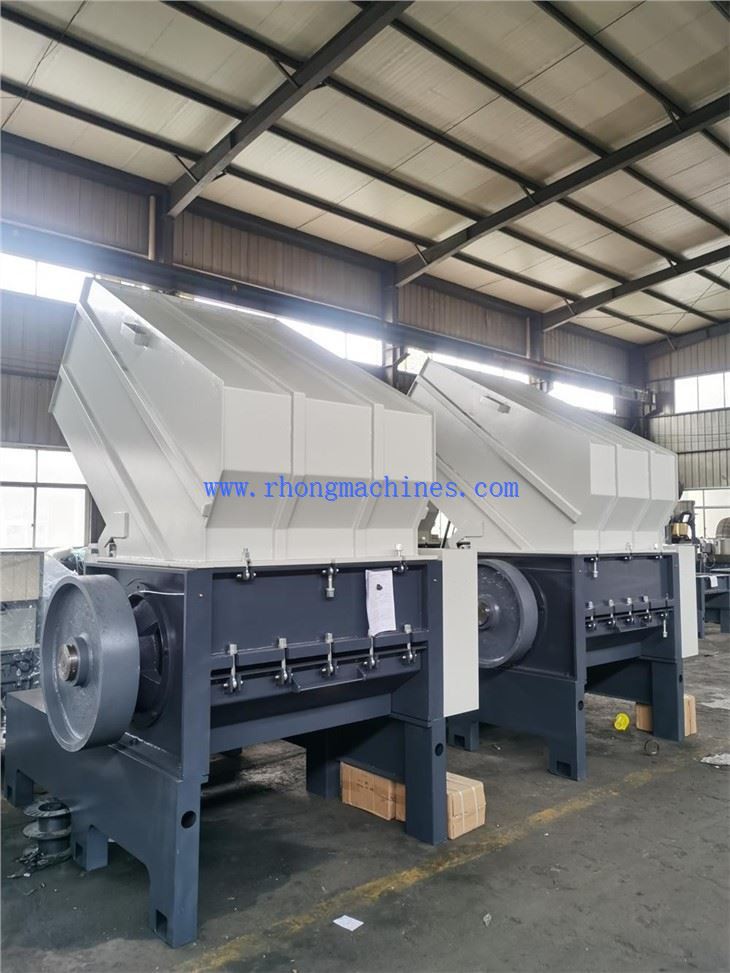
Heavy duty granulators are robust machines designed to reduce large-sized materials into smaller, more manageable particles. These machines are commonly used in the plastics industry for recycling plastic waste, but their capabilities extend beyond plastics. They are equipped with powerful motors, sharp blades, and sturdy cutting chambers that can handle a wide range of materials, including rubber, wood, and even some types of metals.
Our company offers a variety of heavy duty granulators, including Heavy Duty Plastic Granulators, Standard Plastic Granulator, and Heavy Crusher For Big Output. These machines are engineered to provide high efficiency, reliability, and durability, making them suitable for demanding industrial applications.
The Feasibility of Using Heavy Duty Granulators for Textile Waste Recycling
Textile waste is a significant environmental concern, as it accounts for a large portion of municipal solid waste. Recycling textile waste not only helps to reduce landfill waste but also conserves natural resources and reduces the environmental impact of the textile industry. However, textile waste recycling presents unique challenges due to the complex nature of textile materials, which can vary in composition, structure, and physical properties.
Heavy duty granulators can play a crucial role in textile waste recycling by reducing the size of textile waste into smaller particles, which can then be further processed into new textile products or other materials. The granulation process involves cutting, shredding, and grinding the textile waste into small pieces, which can be more easily handled and processed.
One of the key advantages of using heavy duty granulators for textile waste recycling is their ability to handle a wide range of textile materials, including natural fibers (such as cotton, wool, and silk), synthetic fibers (such as polyester, nylon, and acrylic), and blended fibers. This versatility makes heavy duty granulators suitable for recycling different types of textile waste, regardless of their composition or origin.
Another advantage of using heavy duty granulators is their high processing capacity. These machines are designed to handle large volumes of textile waste, making them suitable for industrial-scale recycling operations. The high processing capacity of heavy duty granulators can help to reduce the time and cost associated with textile waste recycling, making it a more economically viable option.
Challenges and Solutions
While heavy duty granulators offer significant potential for textile waste recycling, there are also some challenges that need to be addressed. One of the main challenges is the presence of contaminants in textile waste, such as buttons, zippers, and other non-textile materials. These contaminants can damage the blades and other components of the granulator, reducing its efficiency and lifespan.
To overcome this challenge, it is important to pre-process the textile waste to remove any contaminants before feeding it into the granulator. This can be done through a combination of manual sorting, mechanical separation, and chemical treatment. By removing the contaminants, the granulator can operate more efficiently and effectively, reducing the risk of damage and improving the quality of the recycled textile particles.
Another challenge is the variability in the physical properties of textile waste, which can affect the granulation process. Textile materials can vary in terms of their fiber length, strength, and elasticity, which can make it difficult to achieve consistent particle size and quality during the granulation process.
To address this challenge, it is important to select the appropriate granulator and operating parameters based on the specific characteristics of the textile waste. This may involve adjusting the blade speed, cutting chamber design, and feeding rate to optimize the granulation process. Additionally, the use of advanced control systems and sensors can help to monitor and adjust the granulation process in real-time, ensuring consistent particle size and quality.
Benefits of Textile Waste Recycling with Heavy Duty Granulators
The use of heavy duty granulators for textile waste recycling offers several benefits, both environmental and economic. From an environmental perspective, textile waste recycling helps to reduce landfill waste, conserve natural resources, and reduce the environmental impact of the textile industry. By recycling textile waste, we can reduce the demand for virgin materials, which in turn reduces the energy consumption and greenhouse gas emissions associated with the production of new textiles.
From an economic perspective, textile waste recycling can create new business opportunities and generate revenue. The recycled textile particles can be used as raw materials for the production of new textile products, such as insulation materials, stuffing materials, and non-woven fabrics. Additionally, the recycling process can create jobs in the recycling and manufacturing sectors, contributing to economic growth and development.
Conclusion
In conclusion, heavy duty granulators offer significant potential for textile waste recycling. These machines are capable of handling a wide range of textile materials, providing high processing capacity, and producing high-quality recycled textile particles. While there are some challenges associated with textile waste recycling, such as the presence of contaminants and the variability in physical properties, these challenges can be overcome through proper pre-processing and the selection of appropriate granulator and operating parameters.

As a supplier of Heavy Duty Granulators, we are committed to providing our customers with the highest quality machines and technical support for textile waste recycling. If you are interested in learning more about our products and services, or if you have any questions or concerns about textile waste recycling, please do not hesitate to contact us. We look forward to working with you to develop sustainable solutions for textile waste recycling.