

What is the noise level of a PIPE/PROFILE GRANULATOR during operation?
Nov 12, 2026
Leave a message
If you've ever been around a plastic processing facility, you know that machinery noise is a big deal-not just for worker comfort, but for compliance with workplace safety rules and even the longevity of the equipment itself. As a supplier of pipe and profile granulators, I get asked all the time: "What's the noise level when these machines are running?" It's not a one-size-fits-all answer, but I'll break down what goes into it, what's typical, and how you can manage it, while also pointing you to the right granulators for your needs along the way.
First, let's start with the basics: a pipe or profile granulator is basically a heavy-duty shredder that turns offcuts from plastic pipes, window profiles, or other extruded products into small, uniform granules. Those offcuts are often thick, rigid, and sometimes reinforced, so the granulator has to work hard to cut them up. That work is where the noise comes from.
Most of the noise from these machines falls into two main categories: mechanical noise and process noise. Mechanical noise is the stuff from the granulator's moving parts-like the rotor spinning inside the cutting chamber, the flywheels that drive the system, and the motor working to apply torque to the blades. Process noise is the impact and cutting sound when the blades meet the plastic. For pipe and profile granulators, which handle thicker material than, say, plastic film, process noise tends to be louder because you're cutting through denser, stiffer plastic.
Now, let's talk numbers. From the data we collect on our own machines and from independent safety tests, the typical noise level for a standard pipe granulator during operation is between 85 and 95 decibels (dB). To put that in perspective, a normal conversation is about 60 dB, a lawnmower is around 90 dB, and a rock concert can hit 110 dB. So 85-95 dB is like being right next to a lawnmower the whole time the granulator's running. That's not loud enough to cause immediate damage, but over 8 hours of exposure, that's where things get risky. OSHA (the U.S. Occupational Safety and Health Administration) sets a limit of 85 dB for 8-hour workdays, so if your granulator is consistently above that, you'll need to take steps to protect workers.
But wait-this range can vary a lot. If you're using a heavy-duty model to process thick, schedule 40 PVC pipe, you're probably closer to the 95 dB end. If you're working with thinner profile offcuts, you might see numbers in the lower 80s. Even the age and maintenance of the machine matter: a well-lubricated, sharp-bladed granulator will run quieter than one with dull blades or worn bearings. Dull blades mean the machine has to work harder to cut the plastic, which creates more friction and impact, leading to higher noise levels. That's why regular blade sharpening and maintenance aren't just good for performance-they're key for keeping noise down too.
I should also mention that some granulators are designed for different types of plastic scrap, and their noise levels shift accordingly. For example, a garbage can heavy duty granulator, which processes thick, rigid plastic garbage cans, might hit similar levels to a pipe granulator since it's also handling dense material. On the other end, a plastic film granulator machine, which works with thin, flexible film, usually runs quieter-more like 75 to 85 dB-because the material is easier to cut. That makes sense when you think about the force needed: cutting a thin plastic sheet doesn't create nearly as much impact as slicing through a thick PVC pipe.
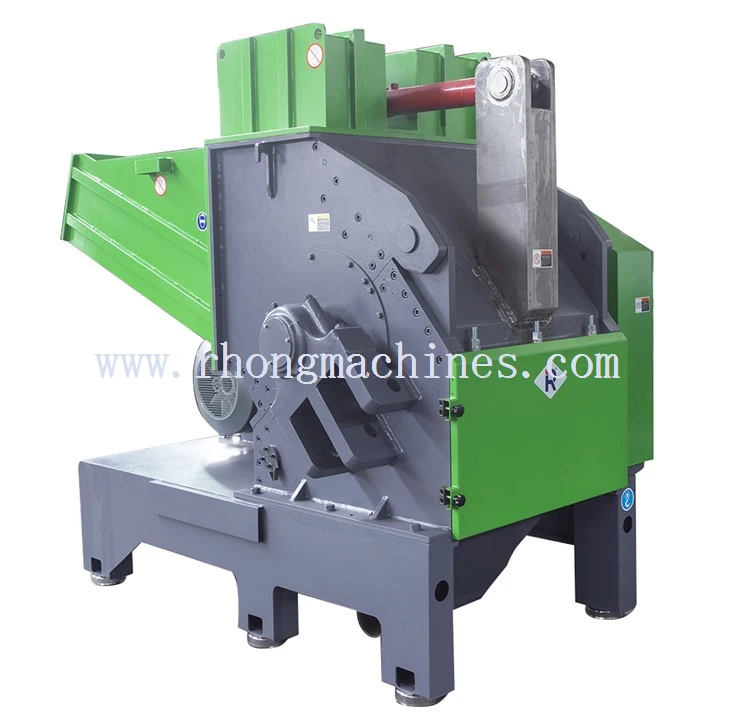
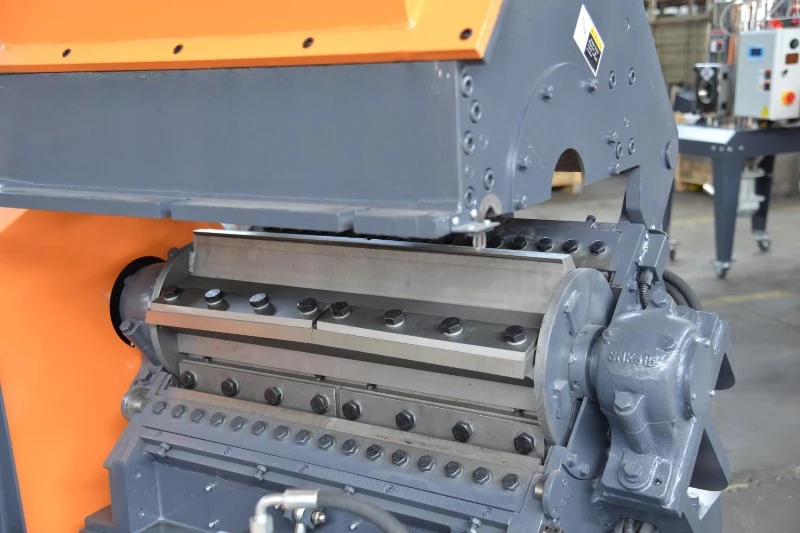
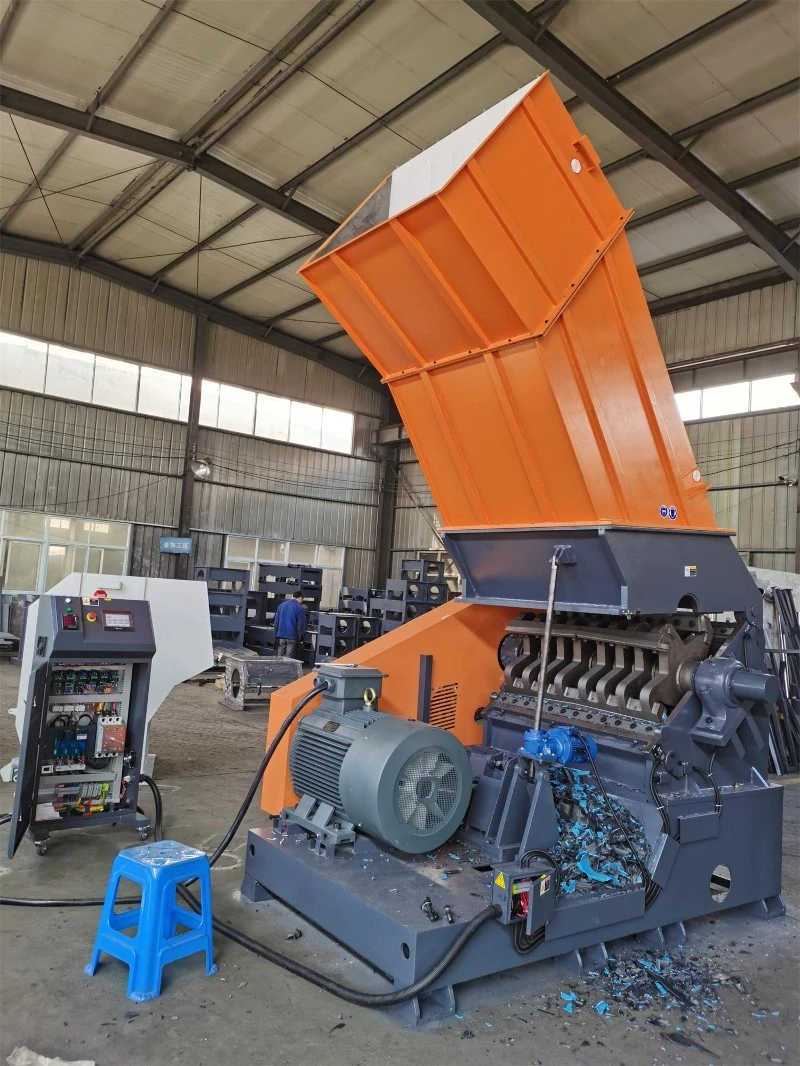
Another factor is the granulator's design. Some models have sound-dampening enclosures around the cutting chamber to cut down on noise. These enclosures are lined with acoustic foam or rubber that absorbs sound waves before they can escape. The downside is that they can add a bit to the machine's cost and make it harder to access the blades for maintenance, but for facilities where noise is a major concern, they're a worthwhile investment. Our line of Pipes Granulators, for instance, comes with optional sound enclosures that can knock 5-10 dB off the operating noise level-bringing it down to around 80-90 dB, which is well within OSHA's comfort zone for many workplaces.
You might be wondering: what about other types of granulators? Let's say you have a mix of plastic scrap-pipes, profiles, drums, thermoformed parts. A Plastic Drum Granulator Rhong Machinery, which is built to handle heavy plastic drums, will have a similar noise profile to a pipe granulator because drums are also thick and rigid. Thermoforming granulators, though, process sheets of thermoformed plastic (like food packaging or disposable containers), so they're a bit lighter, with noise levels around 82-92 dB. It's all about the material density and the force required to cut it.
Now, even if your granulator is running at 85 dB, you still need to make sure your workers are protected. Personal protective equipment (PPE) like earplugs or earmuffs is a must, but PPE alone isn't enough. Good facility design helps too: placing the granulator in a separate, enclosed room away from other work areas can contain noise, and installing sound-absorbing panels on the walls of that room will reduce echo. Some facilities also schedule granulator operations for times when there are fewer workers on the floor, which cuts down on total exposure.
From a supplier's perspective, we've seen that when customers pick the right granulator for their specific scrap, noise issues go way down. If you're only processing pipe and profile offcuts, a dedicated pipe granulator is more efficient and quieter than a multi-purpose machine. If you have a range of scrap, including film, drums, and thermoformed parts, you might need a more flexible model, but even then, choosing one with sound-dampening features will make a big difference.
Let's talk about a real example. Last year, a customer in the Midwest was using a generic granulator to process PVC pipe offcuts, and they were hitting 98 dB-just over OSHA's limit. They were having to give their workers mandatory ear protection every shift, which was causing complaints. We suggested switching to our Pipes Granulators with the optional sound enclosure, and after installation, their noise level dropped to 88 dB. That put them right under OSHA's threshold, so they didn't have to adjust their work schedules or increase PPE requirements beyond standard earplugs. It saved them time, money, and kept their workers happier.
Another customer was processing garbage cans and small plastic drums, so we pointed them to our Garbage Can Heavy Duty Granulator. That model's reinforced cutting chamber and sound-dampening design kept their noise levels at 91 dB, which was perfect for their 8-hour shifts. They didn't have to rework their facility layout, and their workers reported less fatigue from noise exposure.
It's also worth noting that over time, noise levels can creep up if you don't maintain your granulator. Dull blades, worn bearings, and loose parts all add to the noise. We recommend checking blades monthly, lubricating moving parts weekly, and tightening any loose components to keep the machine running quiet and efficient. A well-maintained granulator will not only have lower noise levels but also last longer and produce more uniform granules.
So, to circle back: the noise level of a pipe or profile granulator isn't fixed, but it's generally between 85 and 95 dB when running on thick, rigid plastic offcuts. That's manageable with the right equipment design, maintenance, and workplace practices. The key is to pick a granulator built for the material you're processing-whether that's pipes, drums, or film-and to invest in noise-reducing features like sound enclosures when needed.
If you're in the market for a pipe, profile, or any type of plastic granulator, don't hesitate to reach out. We can help you figure out which machine will work best for your scrap, your facility, and your noise requirements. Whether you're focused on pipes, heavy-duty garbage cans, drums, thermoformed parts, or plastic film, we've got the granulators to match your needs. Get in touch today to discuss your project and find the right solution for your operation.
References
- Occupational Safety and Health Administration (OSHA). "Noise and Hearing Conservation." U.S. Department of Labor, 2024.
- Plastics Technology. "Noise Reduction in Plastic Processing Machinery." Carl Hanser Verlag, 2023.
- Machinery Lubrication Magazine. "How Maintenance Affects Equipment Noise Levels." Industrial Press, 2022.
- European Agency for Safety and Health at Work (EU-OSHA). "Noise in the Workplace: Prevention and Control." EU-OSHA, 2023.