

Are there any safety precautions when using an air chiller for plastic machine?
Aug 19, 2026
Leave a message
Are there any safety precautions when using an air chiller for plastic machine?
As a reputable supplier of air chillers for plastic machines, I understand the importance of safety when it comes to operating these essential pieces of equipment. Air chillers play a crucial role in the plastic manufacturing process by maintaining the optimal temperature of plastic machines, ensuring the quality of the final products. However, like any industrial equipment, they require proper handling and safety measures to prevent accidents and ensure smooth operation. In this blog post, I will discuss some of the key safety precautions that should be taken when using an air chiller for a plastic machine.
1. Installation and Location
The first step in ensuring the safe use of an air chiller is proper installation. The chiller should be installed in a well - ventilated area, away from sources of heat, moisture, and direct sunlight. This helps to prevent overheating and ensures efficient operation. The location should also be easily accessible for maintenance and inspection.
When installing the air chiller, it is important to follow the manufacturer's instructions carefully. The chiller should be mounted on a stable surface to prevent vibrations and ensure proper alignment. All electrical connections should be made by a qualified electrician to avoid electrical hazards.
2. Electrical Safety
Electrical safety is of utmost importance when using an air chiller. The chiller should be connected to a properly grounded electrical outlet. Overloading the electrical circuit can lead to overheating and potential fire hazards. It is essential to check the electrical rating of the chiller and ensure that the power supply can meet its requirements.
Regularly inspect the electrical cords and connections for any signs of damage, such as fraying or exposed wires. If any damage is found, the cords should be replaced immediately. Additionally, the chiller should be equipped with proper circuit breakers and fuses to protect against electrical short - circuits.
3. Refrigerant Handling
Air chillers use refrigerants to cool the plastic machines. Refrigerants are chemicals that can be harmful to the environment and human health if not handled properly. It is important to ensure that the refrigerant is handled by trained professionals.
When the refrigerant needs to be replenished or serviced, it should be done in accordance with environmental regulations. Leaks in the refrigerant system can not only lead to a decrease in cooling efficiency but also pose a risk to the environment. Regularly check for refrigerant leaks using appropriate leak detection equipment.
4. Maintenance and Inspection
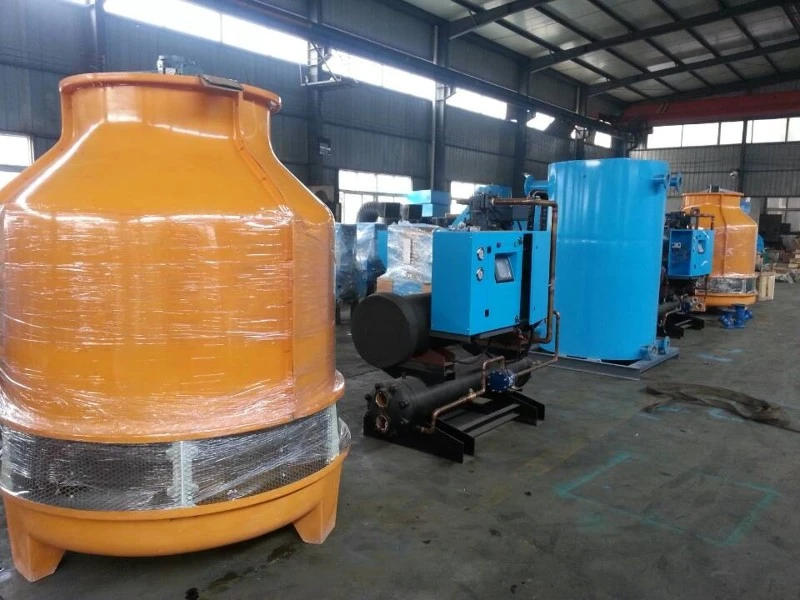
Regular maintenance and inspection are essential for the safe and efficient operation of an air chiller. The chiller should be inspected at regular intervals to check for any signs of wear and tear, such as loose parts, leaks, or abnormal noises.
The condenser coils should be cleaned regularly to remove dirt and debris, which can impede the cooling process. The filters should also be replaced as recommended by the manufacturer to ensure proper air flow.
Lubrication of moving parts is another important aspect of maintenance. This helps to reduce friction and wear, prolonging the lifespan of the chiller.

5. Operator Training
Proper operator training is crucial for the safe use of an air chiller. Operators should be trained on how to operate the chiller correctly, including starting, stopping, and adjusting the settings. They should also be familiar with the safety features of the chiller, such as emergency stop buttons.
Training should also cover the proper response to any malfunctions or emergencies. Operators should know how to shut down the chiller in case of a problem and how to report any issues to the maintenance team.
6. Safety Devices
Air chillers should be equipped with various safety devices to protect the equipment and the operators. These devices include high - pressure and low - pressure switches, which automatically shut down the chiller if the pressure exceeds or falls below the safe range.
Temperature sensors are also important safety devices. They monitor the temperature of the chiller and can trigger an alarm or shut down the system if the temperature goes out of the normal range.
7. Emergency Procedures
In case of an emergency, such as a fire or a refrigerant leak, it is important to have a well - defined emergency procedure in place. All operators should be familiar with the emergency exit routes and the location of fire extinguishers and other safety equipment.
Regular emergency drills should be conducted to ensure that all employees know what to do in case of an emergency.
8. Compatibility with Plastic Machines
It is important to ensure that the air chiller is compatible with the plastic machine it is intended to cool. Different plastic machines have different cooling requirements, and using an incompatible chiller can lead to inefficient cooling and potential damage to the plastic machine.
Before purchasing an air chiller, it is advisable to consult with the manufacturer or a technical expert to determine the appropriate chiller for your plastic machine.
9. Monitoring and Control
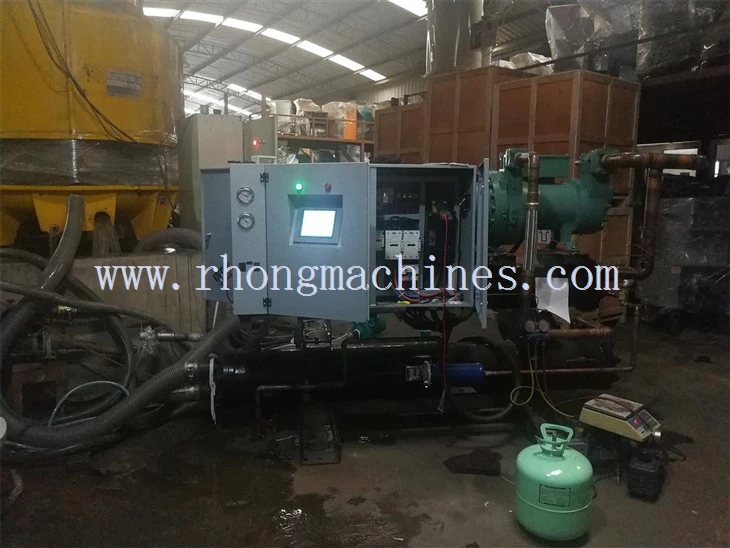
Continuous monitoring of the air chiller's performance is essential for safety. Modern air chillers are often equipped with advanced monitoring systems that can provide real - time data on temperature, pressure, and other parameters.
Operators should regularly check the monitoring system to ensure that the chiller is operating within the safe range. Any abnormal readings should be investigated immediately.
10. Environmental Considerations
When using an air chiller, it is important to consider the environmental impact. As mentioned earlier, refrigerants can have a negative impact on the environment. Therefore, it is advisable to choose air chillers that use environmentally friendly refrigerants.
Proper disposal of the chiller at the end of its lifespan is also important. The components of the chiller should be recycled or disposed of in accordance with environmental regulations.
In conclusion, using an air chiller for a plastic machine requires strict adherence to safety precautions. By following the guidelines mentioned above, you can ensure the safe and efficient operation of your air chiller, protecting both your equipment and your employees.
If you are in the market for an air chiller for your plastic machine, we offer a wide range of high - quality products, including the Industrial Water Chiller System, Air Cooled Central Industrial Chiller, and Industrial Air Chiller System. Our chillers are designed to meet the specific needs of plastic manufacturing processes, providing reliable and efficient cooling.
If you have any questions or would like to discuss your requirements further, please feel free to contact us for a detailed consultation and procurement discussion.
References
- Manufacturer's manuals for air chillers.
- Industrial safety standards and regulations related to refrigeration and cooling equipment.
- Technical literature on plastic manufacturing processes and cooling requirements.