

What is the motor power of typical heavy duty granulators?
Jan 08, 2026
Leave a message
Hey there! As a supplier of heavy duty granulators, I often get asked about the motor power of these machines. It's a crucial factor, and understanding it can help you make the right choice for your granulation needs. In this blog, I'm gonna break down the motor power of typical heavy duty granulators and help you grasp what makes it tick.
Why Motor Power Matters in Heavy Duty Granulators
Before diving into the numbers, let's talk about why motor power is so important. The motor is like the heart of a heavy duty granulator. It provides the energy needed to turn the blades and break down materials into smaller pieces. A granulator with too little power might struggle to handle large or tough materials, leading to slow processing times, increased wear and tear on the machine, and even potential breakdowns. On the other hand, a granulator with too much power can be overkill, leading to higher energy costs and unnecessary expenses.
Factors Affecting Motor Power Requirements
Several factors influence the motor power needed for a heavy duty granulator. Here are the main ones:
Material Type
Different materials have different levels of hardness and toughness. For example, plastics can vary widely in their properties. Soft plastics like polyethylene are relatively easy to granulate, while harder plastics like polycarbonate or engineering plastics require more power. Metals, rubber, and wood also have their own unique characteristics that affect the motor power requirements. Generally, the harder and more fibrous the material, the more power the granulator needs.
Material Size and Shape
The size and shape of the input material also play a role. Larger pieces of material require more force to break down, so a granulator processing big chunks will need more power than one dealing with smaller fragments. Irregularly shaped materials can also be more difficult to process, as they may not feed smoothly into the granulator and can cause jams, which in turn demand more power to overcome.
Throughput Rate
How much material you want to process per hour is a significant factor. If you have a high throughput requirement, such as in a large - scale manufacturing operation, you'll need a granulator with a more powerful motor to keep up with the volume. A low - throughput application, like a small workshop, can get by with a less powerful machine.
Typical Motor Power Ranges for Different Types of Heavy Duty Granulators
Standard Plastic Granulator
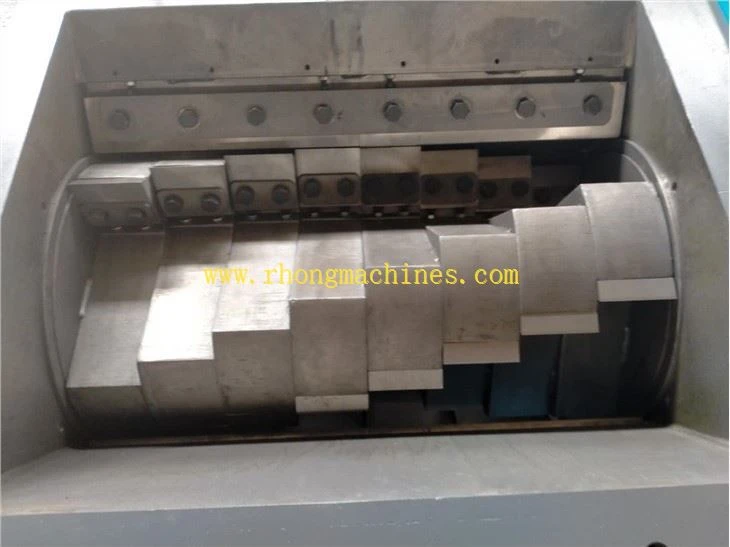
The Standard Plastic Granulator is a common type of heavy duty granulator used in the plastics industry. For small - to medium - sized standard plastic granulators, the motor power usually ranges from 3 to 15 kilowatts (kW). These machines are suitable for processing small - volume plastic waste, such as scrap from injection molding or extrusion processes.
For larger standard plastic granulators used in high - volume recycling or large manufacturing facilities, the motor power can go up to 75 kW or even higher. These powerful granulators can handle large amounts of plastic materials, including thick plastic sheets, pipes, and industrial plastic waste.
Large Size Crushers
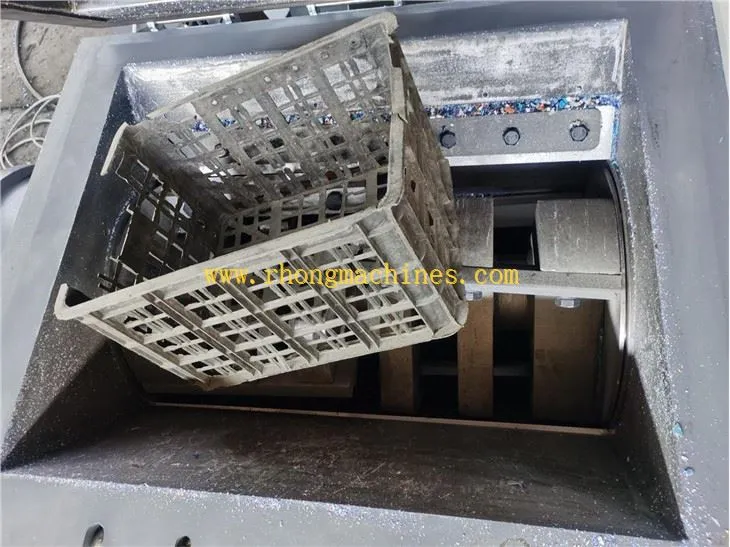
Large Size Crushers are designed to handle big and tough materials. They typically have much higher motor power compared to standard plastic granulators. The motor power of large size crushers usually starts from 22 kW and can go well over 100 kW.
These crushers are used for processing large industrial waste, such as large metal parts, bulky plastic products, and heavy rubber items. The high - power motors allow them to break down these massive materials into smaller, more manageable pieces quickly and efficiently.
Middle Size Heavy duty Crushers
The Middle Size Heavy duty Crushers strike a balance between the small standard granulators and the large crushers. Their motor power generally ranges from 15 to 37 kW. These machines are suitable for medium - scale operations that need to process a moderate amount of materials.
They can handle a variety of materials, including medium - sized plastic products, scrap metal from small workshops, and rubber waste. With their reasonable motor power, they offer a good combination of processing capacity and energy efficiency.
How to Choose the Right Motor Power for Your Heavy Duty Granulator
So, how do you decide the right motor power for your granulator? Here are some steps to follow:
First, analyze the materials you'll be processing. Make a list of the types of materials, their hardness, and the approximate size and shape. This will give you an idea of the force required to break them down.
Next, determine your throughput requirements. How much material do you need to process per hour or per day? This will help you narrow down the size and power of the granulator you need.
It's also a good idea to consult with a professional. As a heavy duty granulator supplier, we have the expertise to guide you through the selection process. We can look at your specific needs, analyze your production requirements, and recommend the most suitable granulator with the right motor power.
Conclusion
In conclusion, the motor power of heavy duty granulators is a key factor that depends on various elements such as material type, size, and throughput. By understanding these factors and choosing the right motor power, you can ensure that your granulator operates efficiently, lasts longer, and meets your production goals.
If you're in the market for a heavy duty granulator and need help choosing the right one with the appropriate motor power, don't hesitate to reach out. We're here to assist you in finding the perfect solution for your granulation needs. Let's have a chat and start discussing the options that work best for you.
References
- Industry reports on granulation machinery technology
- Manufacturer's specifications for heavy duty granulators