

What is the best way to drain water from a dehumidifier machinery?
May 26, 2025
Leave a message
Hey there! As a supplier of dehumidifier machinery, I've gotten tons of questions about the best way to drain water from these machines. It's a crucial part of maintaining your dehumidifier, so let's dive right in and explore the different methods.
Manual Drainage
The most basic way to drain water from a dehumidifier is through manual drainage. Most dehumidifiers come with a built - in water tank. When the tank fills up, you'll usually get an indicator light on the machine telling you it's time to empty it.
Here's how it works. First, you need to turn off the dehumidifier. This is super important for safety reasons. You don't want to be handling an electrical appliance with wet hands near water. Then, carefully remove the water tank from the machine. Some tanks have a handle, which makes it easier to carry.
Once you've got the tank out, take it to a sink or a drain. Slowly pour out the water. Make sure you empty it completely. After that, you can put the tank back into the dehumidifier. It's a simple process, but it does require you to keep an eye on the tank level. If you forget to empty it, the dehumidifier might stop working, and you could end up with water spilling out onto the floor.
Manual drainage is great for small - scale use, like in a single room or a small basement. It's also a good option if you don't run the dehumidifier all the time. But if you're using the dehumidifier in a large area or continuously, it can be a real hassle.
Continuous Drainage
For those who need to run their dehumidifiers non - stop, continuous drainage is the way to go. This method allows the dehumidifier to drain water as it collects, so you don't have to worry about emptying a tank all the time.
To set up continuous drainage, you'll need a drain hose. Most dehumidifiers come with a hose or at least have a connection point for one. First, find a suitable drain location. This could be a floor drain, a sink, or even an outside drain if your dehumidifier is near a window.

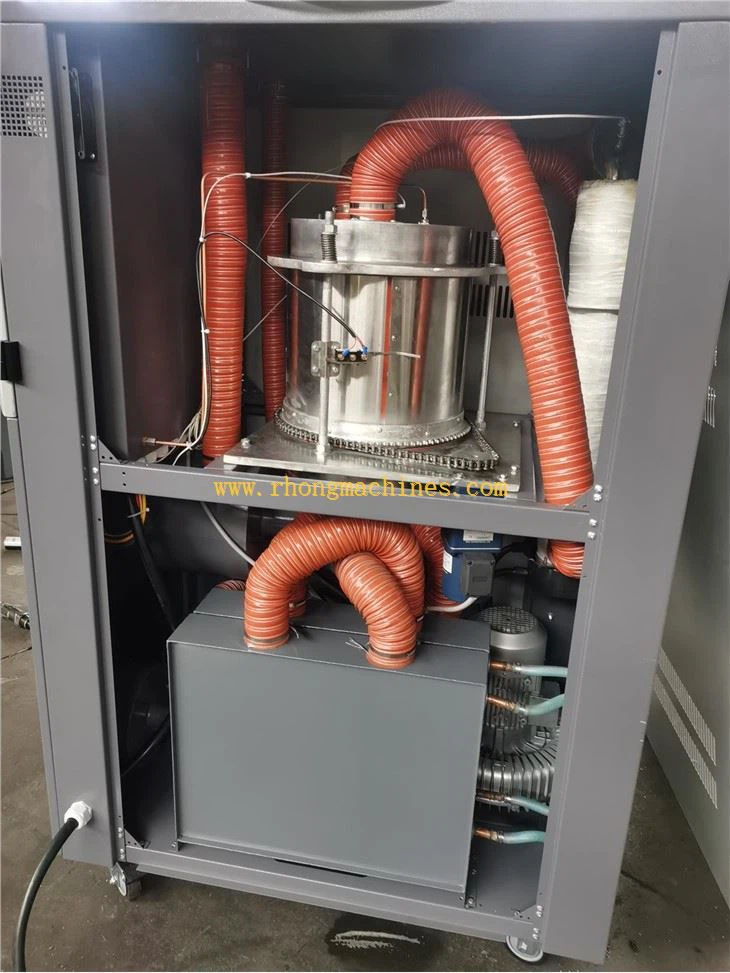
Connect one end of the drain hose to the dehumidifier. Make sure it's a tight fit to prevent any leaks. Then, route the hose to the drain. You may need to use some cable ties or clips to keep the hose in place and prevent it from kinking.
Once everything is set up, turn on the dehumidifier. The water will flow through the hose and into the drain automatically. This is a much more convenient option for larger spaces, like warehouses or commercial buildings. It also ensures that your dehumidifier runs smoothly without any interruptions due to a full water tank.
Gravity - Fed Drainage
Gravity - fed drainage is a type of continuous drainage that relies on gravity to move the water from the dehumidifier to the drain. It's a simple and effective method.
For gravity - fed drainage to work, the drain must be lower than the dehumidifier. This allows the water to flow downwards naturally. You'll still need a drain hose, and the setup is similar to regular continuous drainage.
Connect the hose to the dehumidifier and then route it to the lower drain. The key here is to make sure there are no upward bends in the hose. If there are, the water might get trapped, and the drainage won't work properly.
Gravity - fed drainage is a cost - effective option as it doesn't require any additional pumps or power sources. It's also relatively easy to set up, making it a popular choice for many users.
Pump - Assisted Drainage
In some cases, you might not have a drain that's lower than the dehumidifier. That's where pump - assisted drainage comes in handy.
A dehumidifier with a built - in pump can pump the water upwards and out of the machine. This means you can drain the water into a sink or a drain that's higher than the dehumidifier.
To use pump - assisted drainage, you'll need to connect the drain hose to the pump outlet on the dehumidifier. Then, route the hose to the desired drain. The pump will automatically start working when the water level in the tank reaches a certain point.
Pump - assisted drainage gives you more flexibility in terms of drain location. It's ideal for situations where you can't rely on gravity, like in an upper - floor room or a situation where the only available drain is at a higher level.
Choosing the Right Drainage Method for Your Dehumidifier
When it comes to picking the best drainage method, there are a few factors to consider.
First, think about the size of the area you're using the dehumidifier in. If it's a small space, manual drainage might be sufficient. But for larger areas, continuous drainage methods are usually better.
Second, consider how often you'll be using the dehumidifier. If it's just for occasional use, manual drainage is okay. But if you're running it 24/7, you'll definitely want a continuous drainage option.
Also, take into account the location of the available drains. If you have a drain that's lower than the dehumidifier, gravity - fed drainage could be a great choice. If not, you might need to go for pump - assisted drainage.
Our Dehumidifier Machinery Range
At our company, we offer a wide range of dehumidifier machinery to suit different needs. We have Honeycomb Drying Machines that are known for their high - efficiency drying capabilities. These machines are great for industrial applications where precise humidity control is required.
Our Drying Equipment For Plastics Processing is specifically designed to meet the needs of the plastics industry. It helps to remove moisture from plastic materials, ensuring high - quality products.
And if you're looking for an all - in - one solution, our All - in - One Dehumidifying and Dryers are a great option. They combine dehumidifying and drying functions in one compact unit.
Conclusion
In conclusion, the best way to drain water from a dehumidifier machinery depends on your specific needs and circumstances. Manual drainage is simple but may not be suitable for continuous use. Continuous drainage methods like gravity - fed and pump - assisted offer more convenience, especially for larger areas or non - stop operation.
If you're in the market for a dehumidifier or need advice on the best drainage method for your situation, don't hesitate to reach out. We're here to help you make the right choice for your dehumidification needs. Whether you're a homeowner looking to keep your basement dry or an industrial business in need of heavy - duty dehumidification, we've got the products and expertise to assist you. Contact us today to start a procurement discussion!
References
- "Dehumidifier User Manuals" - Various manufacturers
- "HVAC and Dehumidification Handbook" - Industry publication
- "Best Practices for Dehumidifier Maintenance" - Online resources