

How to troubleshoot common problems in professional granulators?
Sep 09, 2025
Leave a message
As a supplier of Professional Granulators, I've encountered a wide array of issues that customers face with these machines. Granulators are essential in various industries, from plastics recycling to food processing, and understanding how to troubleshoot common problems is crucial for maintaining their efficiency and longevity. In this blog, I'll share some practical tips on diagnosing and resolving these issues.
1. Noise and Vibration Problems
One of the most common issues in granulators is excessive noise and vibration. This can be not only annoying but also a sign of underlying problems that could lead to more significant damage if left unaddressed.
Possible Causes and Solutions
- Unbalanced Rotor: Over time, the rotor in the granulator can become unbalanced due to uneven wear of the blades or the accumulation of debris. To check for this, you can visually inspect the rotor for any signs of damage or imbalance. If you notice that the rotor is not spinning smoothly, it may need to be re - balanced. Some granulators come with a dynamic balancing feature, but if not, you may need to consult a professional technician.
- Loose Bolts and Fasteners: During operation, the constant vibration can cause bolts and fasteners to loosen. Regularly inspect all the bolts and nuts on the granulator and tighten them if necessary. Pay special attention to the bolts holding the blades, the rotor, and the motor.
- Worn Bearings: Bearings are critical components that allow the rotor to spin smoothly. Worn bearings can cause excessive noise and vibration. Check the bearings for signs of wear, such as excessive play or rough surfaces. If the bearings are worn, they should be replaced immediately.
2. Low Output or Inconsistent Granule Size
Another common problem is a low output or inconsistent granule size, which can affect the quality of the final product.
Possible Causes and Solutions
- Dull Blades: Blades are the heart of a granulator, and dull blades can lead to poor cutting performance. Regularly inspect the blades for wear and tear. If the blades are dull, they should be sharpened or replaced. Some granulators have self - sharpening blades, but for others, you may need to remove the blades and have them sharpened by a professional.
- Incorrect Screen Selection: The screen in a granulator determines the size of the granules. If the screen is clogged or the wrong size is selected, it can result in inconsistent granule size. Make sure you are using the correct screen for the desired granule size. Clean the screen regularly to prevent clogging. You can use compressed air or a brush to remove any debris from the screen.
- Feed Rate Issues: An improper feed rate can also cause low output or inconsistent granule size. If the feed rate is too high, the granulator may not be able to process the material efficiently, leading to overloading and poor cutting. On the other hand, if the feed rate is too low, the output will be reduced. Adjust the feed rate according to the capacity of the granulator and the type of material being processed.
3. Motor Overheating
Motor overheating is a serious issue that can lead to motor failure and downtime.
Possible Causes and Solutions
- Overloading: Overloading the granulator by feeding too much material at once can cause the motor to overheat. Make sure you are operating the granulator within its rated capacity. If you need to process a large amount of material, consider using a larger - capacity granulator or adjusting the feed rate.
- Poor Ventilation: The motor needs proper ventilation to dissipate heat. Check the ventilation openings on the motor and make sure they are not blocked by dust or debris. Clean the ventilation openings regularly to ensure proper air circulation.
- Faulty Motor Components: A malfunctioning motor capacitor, starter, or other components can also cause the motor to overheat. If you suspect a problem with the motor components, it is recommended to have a professional electrician inspect and repair the motor.
4. Jamming
Jamming is a frustrating problem that can stop the granulator from operating.
Possible Causes and Solutions
- Foreign Objects: Foreign objects, such as metal pieces or large chunks of material, can get stuck in the granulator and cause a jam. Always inspect the material before feeding it into the granulator to remove any foreign objects. If a jam occurs, turn off the granulator and disconnect the power before attempting to remove the object.
- Excessive Moisture: Moisture in the material can cause it to clump together and jam the granulator. Make sure the material is dry before feeding it into the granulator. If the material has a high moisture content, you may need to dry it first.
- Incorrect Material Density: Some materials may have a density that is too high for the granulator to handle. If you are experiencing jams with a particular material, try reducing the feed rate or using a granulator with a higher capacity.
5. Electrical Problems
Electrical problems can range from minor issues, such as a blown fuse, to major problems, such as a malfunctioning control panel.
Possible Causes and Solutions
- Blown Fuses: A blown fuse can cause the granulator to stop working. Check the fuses in the electrical panel and replace any blown fuses with the correct rating.
- Faulty Wiring: Over time, the wiring in the granulator can become damaged or loose. Inspect the wiring for any signs of damage, such as frayed wires or loose connections. If you find any damaged wiring, it should be repaired or replaced by a professional electrician.
- Malfunctioning Control Panel: The control panel is responsible for regulating the operation of the granulator. If the control panel is malfunctioning, it can cause the granulator to operate erratically or not at all. Check the control panel for any error messages or abnormal readings. If you suspect a problem with the control panel, contact the manufacturer's technical support for assistance.
Specific Granulator Models and Troubleshooting
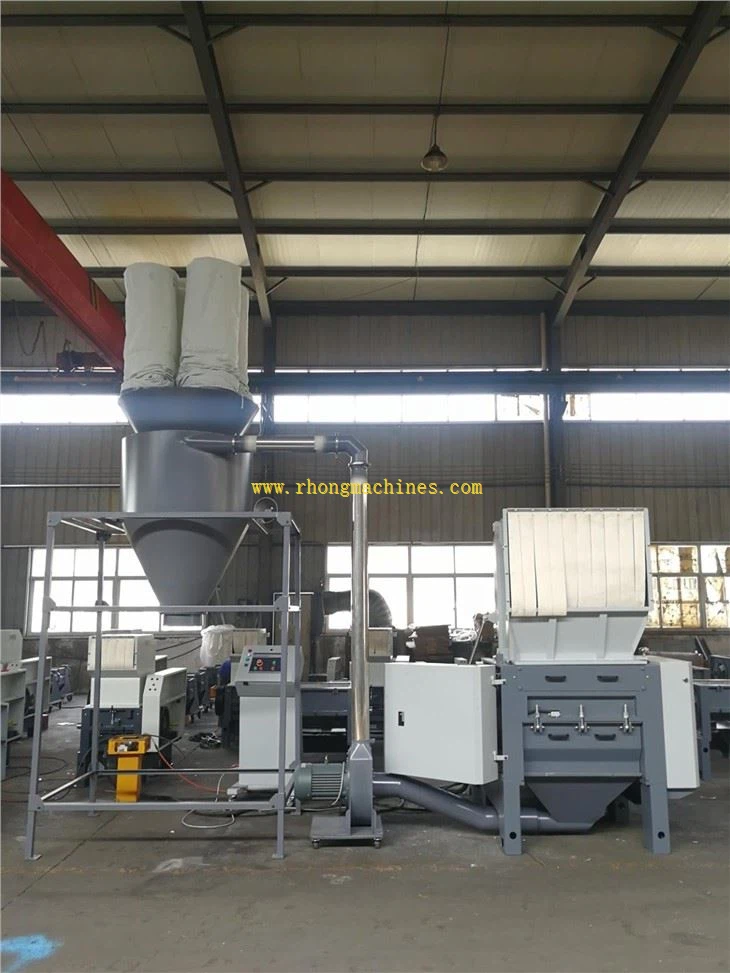
We offer a variety of professional granulators, including the Pallet Granulator Rhong, Film Inline Granulators, and Centralized Film Granulators. Each model may have some unique features and potential issues.
- Pallet Granulator Rhong: This granulator is designed for processing pallets. One common issue is the accumulation of wood chips in the extraction system, which can reduce the efficiency of the granulator. Regularly clean the extraction system to prevent clogging.
- Film Inline Granulators: These granulators are used for inline film recycling. A frequent problem is the build - up of film residue on the blades and the screen. Use a solvent or a specialized cleaning agent to remove the residue.
- Centralized Film Granulators: Centralized systems are more complex and can face issues such as uneven material distribution. Make sure the feeding system is properly calibrated to ensure uniform material flow.
In conclusion, troubleshooting common problems in professional granulators requires a combination of regular maintenance, careful inspection, and prompt action. By following the tips outlined in this blog, you can keep your granulator running smoothly and efficiently. If you encounter any problems that you are unable to resolve, don't hesitate to contact us. We are a professional supplier of granulators, and our team of experts is always ready to provide you with technical support and assistance. Whether you are looking to purchase a new granulator or need help with an existing one, we can offer you the best solutions. Contact us today to start a purchase negotiation and take your granulation process to the next level.
References
- "Handbook of Plastic Recycling" by R. A. Altenbach and S. Hein
- "Industrial Granulation Technology" by Pieter C. Kapteijn and Jacob A. Moulijn