

How often should heavy duty granulators be maintained?
Jan 19, 2026
Leave a message
As a supplier of heavy duty granulators, one of the most common questions I receive from customers is, "How often should heavy duty granulators be maintained?" This is a crucial question because proper maintenance not only ensures the smooth operation of the granulator but also extends its lifespan and reduces the risk of breakdowns. In this blog post, I will discuss the factors that influence the maintenance frequency of heavy duty granulators and provide some general guidelines to help you keep your equipment in top condition.
Factors Affecting Maintenance Frequency
Several factors determine how often heavy duty granulators need to be maintained. Understanding these factors will help you develop a maintenance schedule that is tailored to your specific equipment and operating conditions.
1. Usage Intensity
The frequency of granulator use is a significant factor in determining maintenance intervals. A granulator that operates continuously for long hours every day will require more frequent maintenance than one that is used intermittently. Continuous operation puts more stress on the machine's components, such as the blades, motors, and bearings, leading to faster wear and tear. For example, in a high - volume plastic recycling plant where the Plastic Heavy Duty Granulator Grinder Machine runs 24/7, daily or weekly inspections and more regular component replacements may be necessary.
2. Material Being Processed
The type of material being granulated also plays a role in maintenance requirements. Hard and abrasive materials, such as fiberglass - reinforced plastics or certain metals, can cause more significant wear on the granulator blades and other cutting components compared to softer materials like polyethylene or polypropylene. If you are using a granulator to process hard materials, you may need to sharpen or replace the blades more frequently. For instance, if you are granulating EVA Sheet Plastic, which is relatively soft, the blade replacement interval may be longer compared to processing a tougher material.
3. Environmental Conditions
The environment in which the granulator operates can affect its maintenance needs. A dirty or dusty environment can cause dust and debris to accumulate inside the machine, leading to clogging and increased friction. High temperatures can also affect the performance of motors and other electrical components. In an industrial setting with poor ventilation and high levels of airborne particles, more frequent cleaning and inspection of the granulator's intake and exhaust systems are required to prevent overheating and mechanical failures.
4. Machine Age and Condition
Older granulators generally require more frequent maintenance than newer ones. Over time, the components of the machine naturally deteriorate, and small issues can turn into major problems if not addressed promptly. If you have an older granulator, you may need to perform more detailed inspections and replace worn - out parts more frequently. Additionally, if the granulator has been subject to previous damage or improper use, it may also need more intensive maintenance.
General Maintenance Guidelines
Based on the above factors, here are some general guidelines for maintaining heavy duty granulators:
Daily Maintenance
- Visual Inspection: Before starting the granulator each day, conduct a visual inspection of the machine. Check for any signs of damage, such as cracks in the housing, loose bolts, or frayed electrical wires. Also, inspect the feed hopper for any foreign objects that could damage the blades.
- Cleaning: Remove any accumulated dust and debris from the exterior of the granulator. Wipe down the control panel and other sensitive areas to prevent dust from entering the electrical components.
- Lubrication: Check the lubrication levels of the bearings and other moving parts according to the manufacturer's recommendations. If necessary, add the appropriate lubricant.
Weekly Maintenance
- Blade Inspection and Adjustment: Inspect the granulator blades for wear and tear. If the blades are dull or damaged, they should be sharpened or replaced. Also, check the blade clearance and adjust it as needed to ensure efficient granulation.
- Motor and Electrical System Check: Examine the motor for any signs of overheating or abnormal noise. Check the electrical connections to ensure they are tight and free of corrosion. Test the safety switches to make sure they are functioning properly.
- Housing and Conveyor Belt Inspection: Inspect the granulator housing for any signs of wear or damage. Check the conveyor belt (if applicable) for proper tension and alignment.
Monthly Maintenance
- Filter Replacement: Replace the air filters in the granulator to prevent dust and debris from entering the motor and other components. This helps to maintain proper ventilation and cooling.
- Component Tightening: Check and tighten all the bolts and nuts on the machine to prevent loosening during operation. Loose components can cause vibrations and damage to the granulator.
- Performance Testing: Conduct a performance test of the granulator to ensure that it is operating at its optimal capacity. Measure the output size and quality of the granules and compare them to the desired specifications.
Quarterly and Annual Maintenance
- Major Component Inspection: Every quarter, conduct a more in - depth inspection of the major components, such as the gearbox, hydraulic system (if equipped), and drive belts. Look for signs of wear, leaks, or other issues.
- Annual Service: Once a year, it is recommended to have a professional service technician perform a comprehensive service on the granulator. This may include disassembling the machine, cleaning all the components, and replacing any worn - out parts.
Importance of Regular Maintenance
Regular maintenance of heavy duty granulators offers several benefits:
1. Improved Performance
Well - maintained granulators operate more efficiently, producing higher - quality granules consistently. Properly sharpened blades and well - lubricated components ensure smooth cutting and granulation, reducing the amount of oversized or undersized particles in the output.
2. Extended Lifespan
By replacing worn - out parts and addressing small issues before they become major problems, regular maintenance can significantly extend the lifespan of the granulator. This reduces the need for costly replacements in the long run.
3. Reduced Downtime
Unexpected breakdowns can cause significant downtime in your production process, leading to lost productivity and revenue. Regular maintenance helps to identify and fix potential issues before they cause the machine to fail, minimizing unplanned downtime.
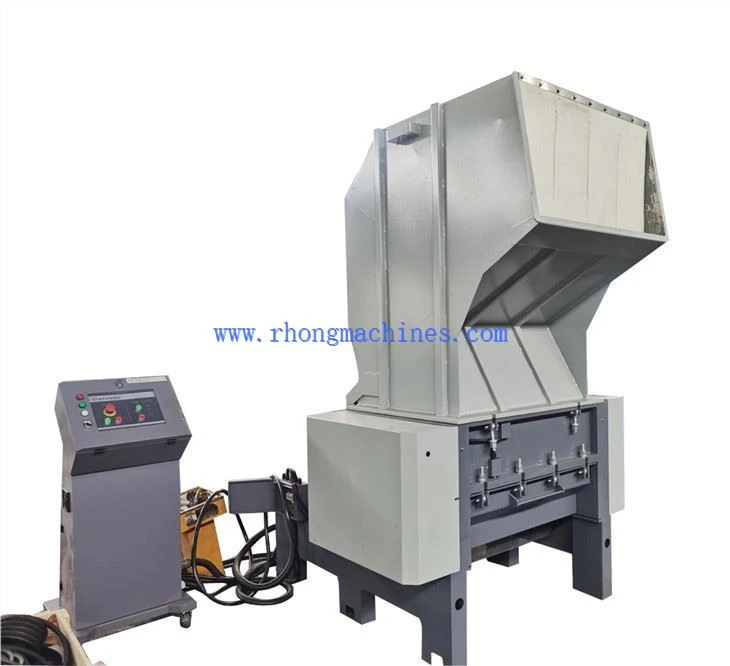

4. Safety
A properly maintained granulator is a safer machine to operate. Regular inspections ensure that all safety features, such as emergency stop buttons and guards, are functioning correctly, protecting operators from potential hazards.
Conclusion
In conclusion, the frequency of heavy duty granulator maintenance depends on several factors, including usage intensity, the material being processed, environmental conditions, and the machine's age and condition. By following the general maintenance guidelines outlined above and tailoring the maintenance schedule to your specific needs, you can ensure the optimal performance and longevity of your granulator.
If you are in the market for a high - quality Middle Size Heavy duty Crushers, EVA Sheet Plastic Granulator, or Plastic Heavy Duty Granulator Grinder Machine, or if you have any questions about granulator maintenance, don't hesitate to contact us. We are here to provide you with the best products and technical support to meet your granulation needs.
References
- "Maintenance Guide for Industrial Granulators", Industrial Machinery Handbook, 2022
- "Common Causes of Granulator Failures and How to Prevent Them", Journal of Plastics Processing, 2021