

Do pipes granulators have a self - cleaning function?
Nov 04, 2025
Leave a message
Do pipes granulators have a self - cleaning function?
As a supplier of Pipes Granulators, I often get asked about the various features of our machines, and one question that comes up quite frequently is whether pipes granulators have a self - cleaning function. In this blog post, I'll delve into this topic in detail, exploring the concept of self - cleaning in pipes granulators, its benefits, and whether our products offer this feature.
Understanding Pipes Granulators
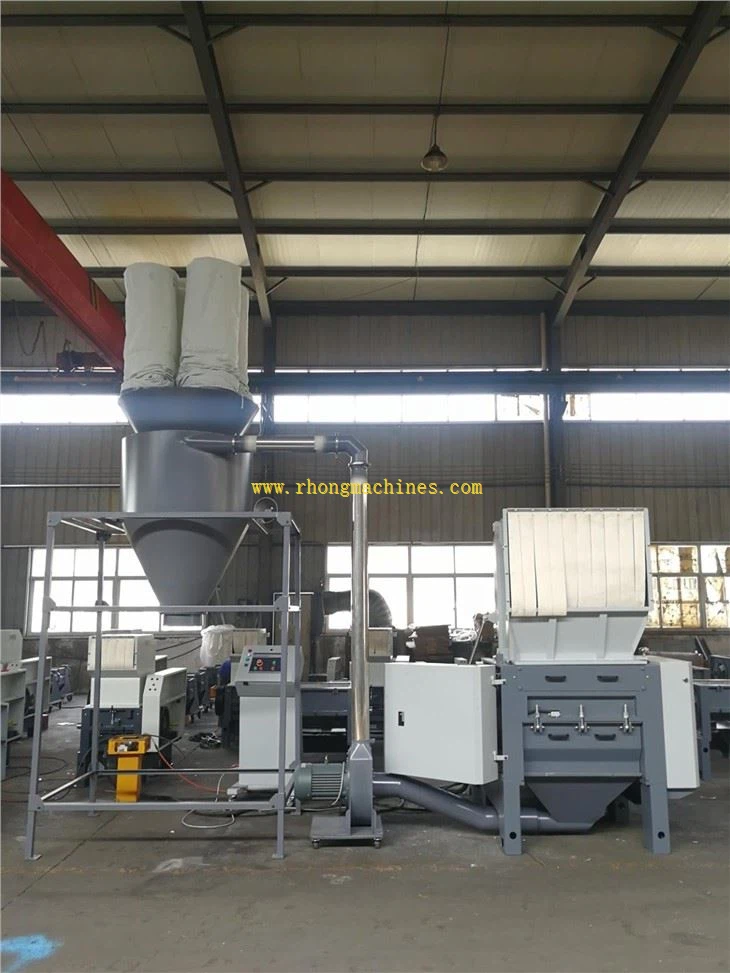
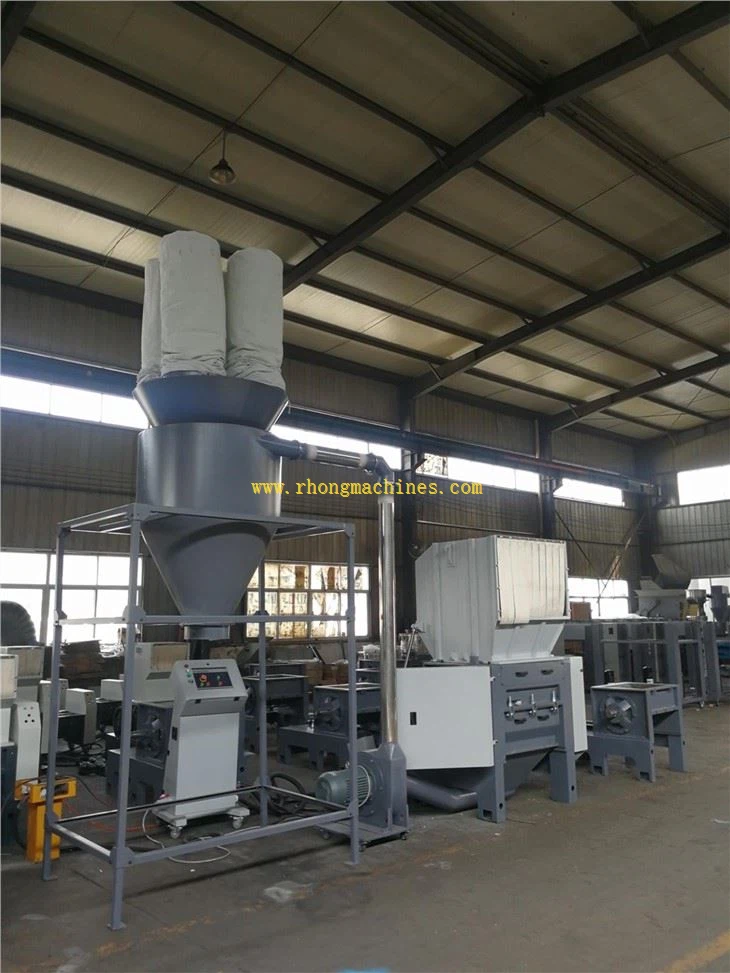
Before we discuss the self - cleaning function, let's briefly understand what pipes granulators are. Pipes granulators are industrial machines designed to recycle plastic pipes. They take large pieces of plastic pipes and break them down into smaller granules, which can then be reused in the manufacturing process. These machines play a crucial role in the plastic recycling industry, helping to reduce waste and promote sustainability.
Our Pipes Granulators are built with high - quality materials and advanced technology to ensure efficient and reliable operation. They are capable of handling different types of plastic pipes, including PVC, PE, and PP, and can produce granules of various sizes according to the customer's requirements.
The Concept of Self - Cleaning in Granulators
Self - cleaning in granulators refers to the ability of the machine to clean itself during or after the granulation process. This can involve removing dust, debris, and residual plastic from the internal components of the granulator, such as the cutting chamber, blades, and screens. A self - cleaning function can significantly improve the performance and lifespan of the granulator by preventing the build - up of contaminants, which can lead to clogging, reduced efficiency, and increased wear and tear on the machine parts.
There are several ways in which a granulator can achieve self - cleaning. Some granulators use air - blowing systems to remove dust and debris from the cutting chamber. Others have specially designed blades or screens that are less likely to accumulate plastic residue. Additionally, some advanced granulators are equipped with automated cleaning cycles that can be programmed to run at specific intervals.
Benefits of Self - Cleaning Function
The self - cleaning function in pipes granulators offers several benefits. Firstly, it improves the quality of the granules produced. By removing dust and debris from the granulation process, the self - cleaning function ensures that the granules are clean and free from contaminants, which is essential for high - quality plastic products.
Secondly, it reduces maintenance requirements. Since the machine is able to clean itself, the need for manual cleaning is minimized. This not only saves time and labor but also reduces the risk of damage to the machine during the cleaning process.
Thirdly, it increases the lifespan of the granulator. By preventing the build - up of contaminants, the self - cleaning function helps to reduce wear and tear on the machine parts, such as the blades and screens. This means that the machine can operate more efficiently for a longer period of time, reducing the need for frequent replacements and repairs.
Do Our Pipes Granulators Have a Self - Cleaning Function?
Yes, our pipes granulators are equipped with a self - cleaning function. We understand the importance of this feature in ensuring the efficiency and reliability of our machines, and we have incorporated advanced self - cleaning technology into our product design.
Our self - cleaning system uses a combination of air - blowing and automated cleaning cycles. During the granulation process, an air - blowing system continuously removes dust and debris from the cutting chamber, preventing it from accumulating on the blades and screens. After the granulation process is complete, the machine can be programmed to run an automated cleaning cycle, which further cleans the internal components of the granulator.
In addition to the self - cleaning function, our pipes granulators also feature other advanced technologies to ensure optimal performance. For example, our blades are made of high - quality steel and are designed to provide a sharp and clean cut, reducing the amount of plastic residue left in the cutting chamber. Our screens are also easy to remove and clean, allowing for quick and efficient maintenance.
Other Granulators in Our Product Line
In addition to our pipes granulators, we also offer a range of other granulators, including Centralized Film Granulators and Film Inline Granulators. These granulators are also designed with advanced features to ensure efficient and reliable operation.
Our centralized film granulators are suitable for large - scale plastic film recycling. They are capable of handling a high volume of plastic film and can produce high - quality granules. Our film inline granulators, on the other hand, are designed for in - line recycling of plastic film during the manufacturing process. They can be integrated directly into the production line, allowing for continuous and efficient recycling.
Conclusion
In conclusion, our pipes granulators do have a self - cleaning function, which offers several benefits, including improved granule quality, reduced maintenance requirements, and increased machine lifespan. Our commitment to providing high - quality and innovative granulation solutions is evident in the advanced features and technologies incorporated into our products.
If you are in the market for a pipes granulator or any other type of granulator, we would be more than happy to discuss your requirements and provide you with a customized solution. Our team of experts is available to answer any questions you may have and to guide you through the purchasing process. Contact us today to start the conversation and take the first step towards efficient and sustainable plastic recycling.
References
- Plastic Recycling Handbook: A Comprehensive Guide to Plastic Recycling Processes and Technologies.
- Industrial Granulation Equipment: Design, Operation, and Maintenance.